Coinlaunch was created by a team of crypto experts to help current and future crypto investors find the latest cryptocurrency ICOs and presales. All content follows a strict editorial policy that ensures factual accuracy, neutrality, and usefulness. We strive to provide insightful content that helps our audience make informed decisions, while emphasizing the importance of prioritizing safety and risk management. All information in our content is based on thorough research conducted by our team of copywriters and editors. We use proven sources to find relevant projects and ensure that all content is updated regularly. The information provided by Coinlaunch should be used for informational purposes only and should not be taken as investment advice.
Table of Contents
Top Crypto Wallets in 2025 Ranked
The Best DeFi Crypto Wallets in 2025 Reviewed
1. goodcryptoX
2. Ledger Stax
3. MetaMask
4. Binance Wallet
5. Bybit Wallet
6. NGrave Zero
7. D’CENT Wallet
8. ELLIPAL Titan 2.0
9. SafePal
10. Zengo
11. Phantom Wallet
12. Rabby Wallet
Why Use a DeFi Wallet?
Are DeFi Wallets Safe?
Types of Decentralized Crypto Wallets
Final Thoughts
Share this blog post
Cryptocurrency is changing how we define money: faster, borderless, permissionless, and secure by design. Before getting too deep into digital assets, however, you have to make one of the biggest decisions that you will make along the entire journey: where do you store your crypto?
Your wallet determines everything, including how you access your funds and how secure they are. Choose correctly, and your overall experience is smooth, efficient, and secure. Choose poorly and you are an easy target.
Whether you are new to crypto or execute trades every day, a legitimate wallet is a requirement.
This guide will walk through the best DeFi crypto wallets available on the market today to help you get the best wallet to match your needs.
Top Crypto Wallets in 2025 Ranked
goodcryptoX – The best for any kind of crypto assets
Ledger Stax – Premium hardware wallet with curved E-Ink screen and wireless charging
MetaMask – Best DeFi wallet for the Ethereum ecosystem
Binance Wallet – Best for traders seeking an all-in-one solution
Bybit Wallet – Decent option for active users
NGrave Zero – High-security wallet with EAL7 certification
D’Cent Wallet – Biometric hardware wallet with Bluetooth and mobile integration
ELLIPAL Titan 2.0 – Air-gapped hardware wallet with QR-only transactions
Safepal – Affordable hardware wallet with strong token support and DeFi access
Zengo – Most beginner-friendly wallet with keyless recovery
Phantom Wallet – The best DeFi wallet for Solana ecosystem tokens
Rabby Wallet – The multichain DeFi master
The Best DeFi Crypto Wallets in 2025 Reviewed
The crypto market has grown at an unprecedented pace in recent history. Blockchains are changing, and new tokens are launching almost every day, making it more important than ever to protect your digital assets; crypto wallets are here to help.
Crypto wallets serve as secure storage for your private keys and seed phrases. They hold the keys that grant access to your cryptocurrency and enable you to maintain your assets and transact across multiple exchanges and networks with confidence. After a decade of advancement, wallets have become an essential tool for protecting digital assets.
All wallet types feature different security models and functionality. At the broadest level, wallets fall into two categories: hot and cold wallets, with custodial and noncustodial options depending on how much control you want and your desired level of convenience.
Let’s take a look below at what the best decentralized crypto wallets are to protect your portfolio in the year 2025.
1. goodcryptoX
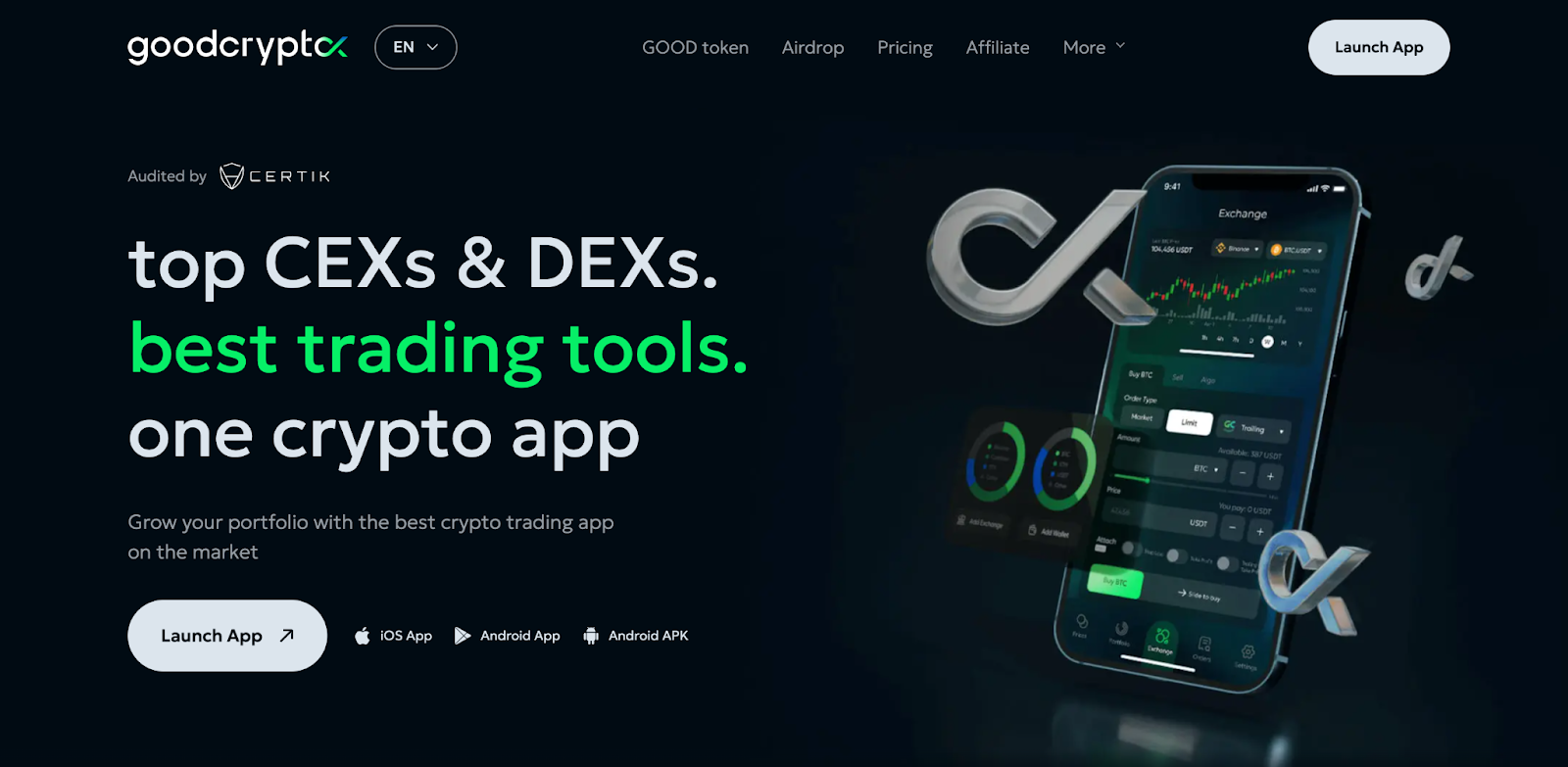
Audited by the prominent security firm CertiK, goodcryptoX utilizes AI and Smart Contract Wallets to implement advanced trading tools to enhance the decentralized trading experience radically.
Smart Contract Wallets utilize Account Abstraction, a technology enabling the features of programmable smart contracts to add functionality and greater security. It ensures the complete self-custody of funds, meaning that no one, including goodcryptoX, has access to your funds. At the same time, this technology enables users to perform daily operations with the ease of use of a Web2-like interface. Smart contracts include coded rules that enable users to automate transactions, set up custom security features, and interact efficiently with decentralized finance (DeFi) services and DApps. This makes all actions properly protected.
In addition, goodcryptoX offers trading with Smart Contract Wallets, including bots such as Grid and DCA.
Pros
Cons
All assets are available to review in one place
Responses from the support team may take longer than usual
Advanced trade order features
Audited by CertiK
Automation possibilities via bots like grid, DCA, etc.
2. Ledger Stax
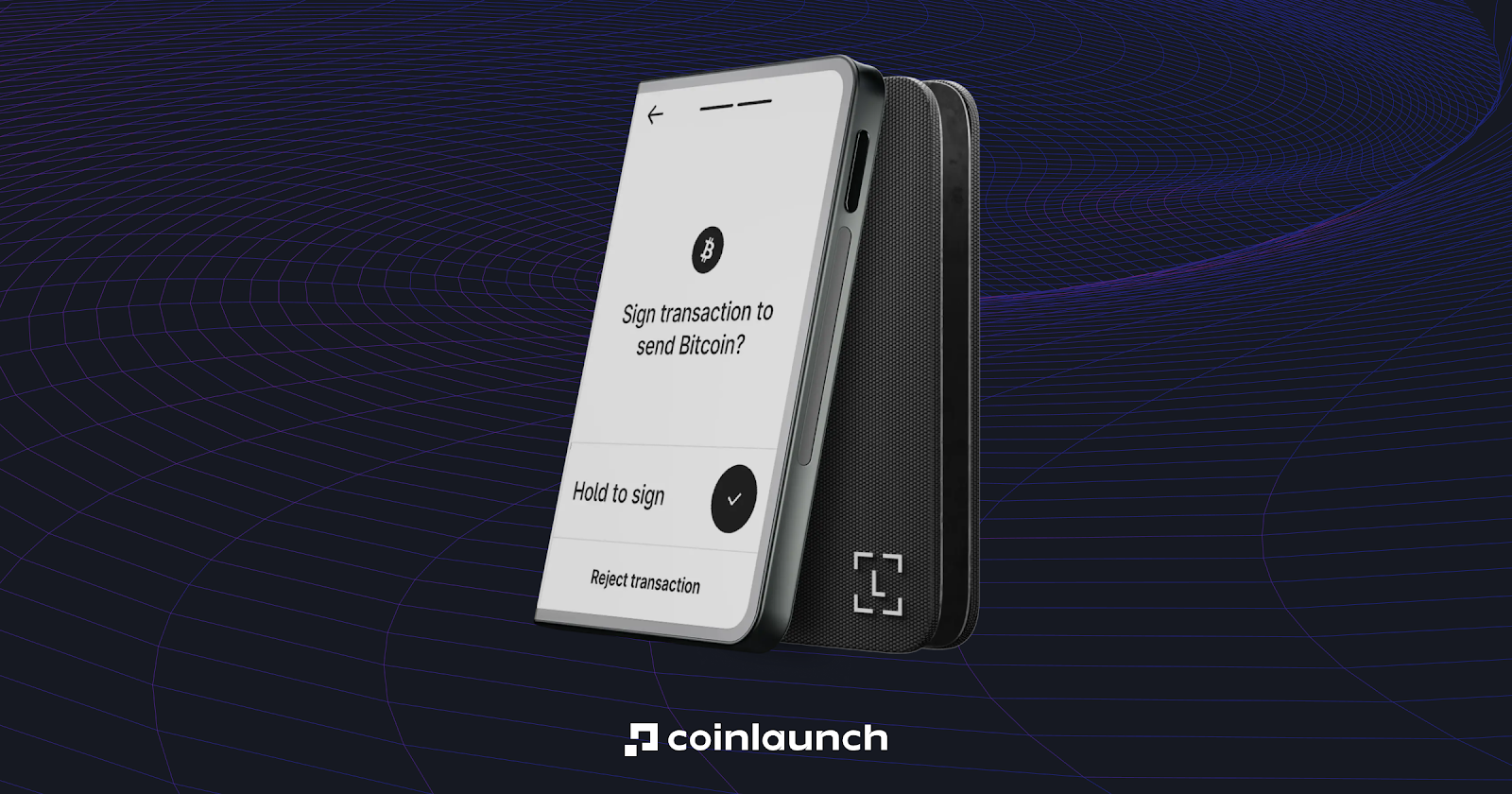
Ledger Stax is a high-end hardware DeFi wallet designed for secure, long-term asset storage. It supports over 500 digital assets in addition to a Secure Element chip, PIN, 2FA, and 24-word recovery phrase, monitoring your assets. This means all is available with full non-custodial control on the user’s part.
The main defining feature of the Ledger Stax De is its 3.7-inch curved E-ink touchscreen, which makes it easy for users to view and sign transactions. Users can set their favorite non-fungible token as a lock screen that remains viewable even when the device is powered off. Its Bluetooth 5.2 connectivity enables it to connect to desktop computers, iOS, and Android devices. Stax has a slim, metal body and magnets for stacking multiple Ledger Stax devices.
Despite the large E-ink display, the benefits include excellent battery life and an easy-to-read screen in all lighting conditions. The largest obstacle to owning a Ledger Stax wallet is the price. It retails for more than most existing wallets, and if an owner loses access to the recovery phrase, they have effectively lost their assets.
Overall, Ledger Stax is a viable premium hardware wallet for users seeking maximum security and a high-quality UX.
Pros
Cons
Highly resistant to hacks and remote attacks
More costly compared to other software wallets
Supports over 5,500 digital coins
Requires physical handling and storage
Large E-ink display for easy visibility
3. MetaMask
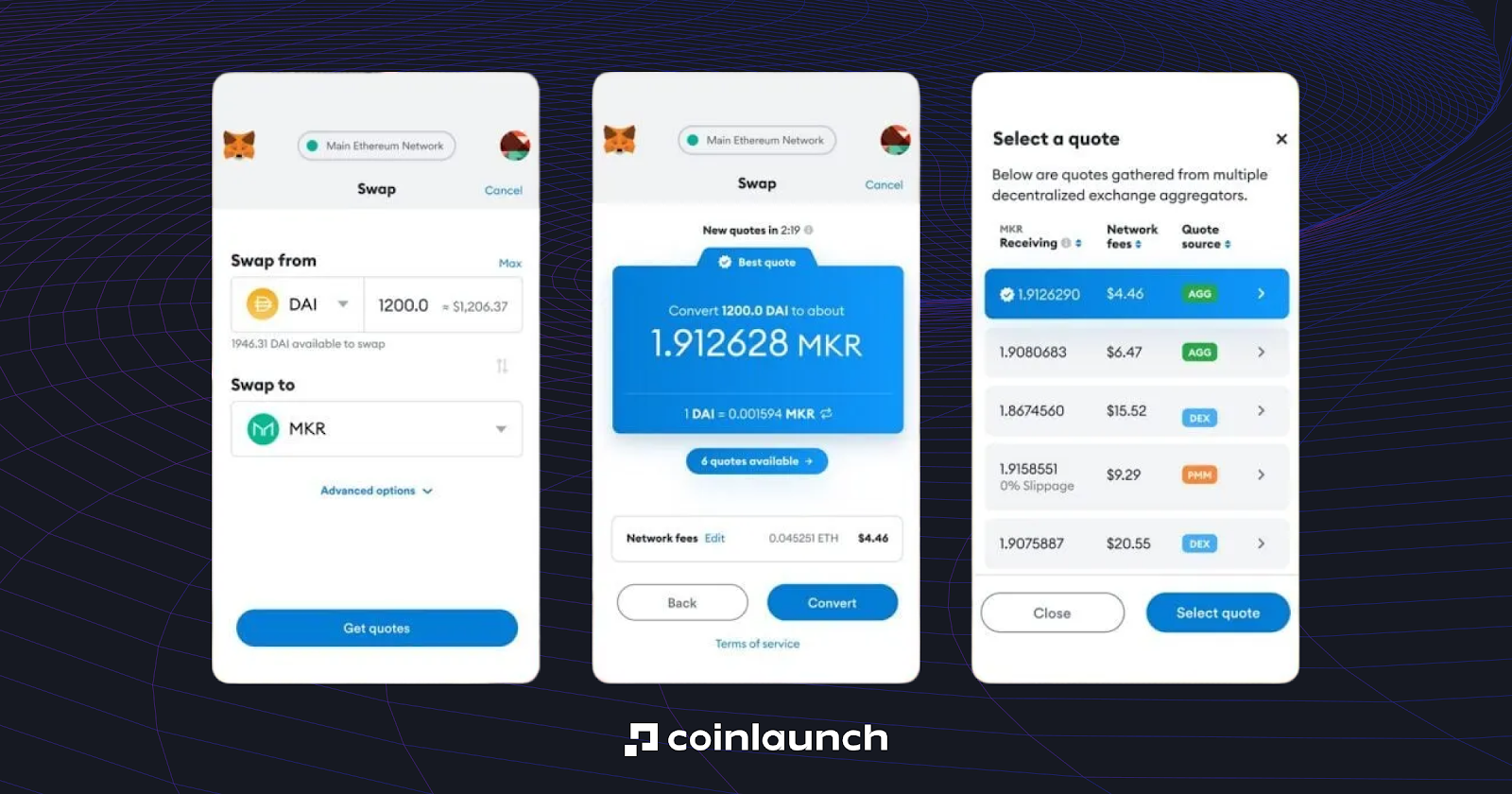
MetaMask is a leading DeFi crypto wallet supporting all ETH-based tokens (ERC-20, ERC-721, and ERC-1155) across all EVM-compatible networks. It's also usable to connect to well-known Ethereum-based dApps and DeFi protocols, such as Uniswap, 1Inch, and Aave, collect and trade NFTs, and earn rewards by staking ETH (pooled, validator, and liquid staking).
This noncustodial software wallet also has an integrated swap function, so you can complete swaps directly from the wallet. You can swap on a number of networks, including the Ethereum mainnet, Solana, and BNB Smart Chain. However, a 0.875% service fee is charged.
MetaMask is compatible with a broad range of hardware wallets, including Ledger, Trezor, Keystone, and NGRAVE ZERO. You can easily buy crypto with MetaMask and transfer it to your hardware wallet via the browser extension and via the mobile app. However, the biggest drawback of MetaMask is that it does not offer support for two-factor authentication.
Pros
Cons
Supports all ETH-based tokens and all EVM-compatible networks
High swap fees
Connect to all major Ethereum-based dApps and DeFi protocols
Lack of 2FA support
Earn rewards by staking ETH
Doesn’t support BRC-20 tokens
Supports a wide range of hardware wallets
4. Binance Wallet
Binance Wallet (Source: Binance)
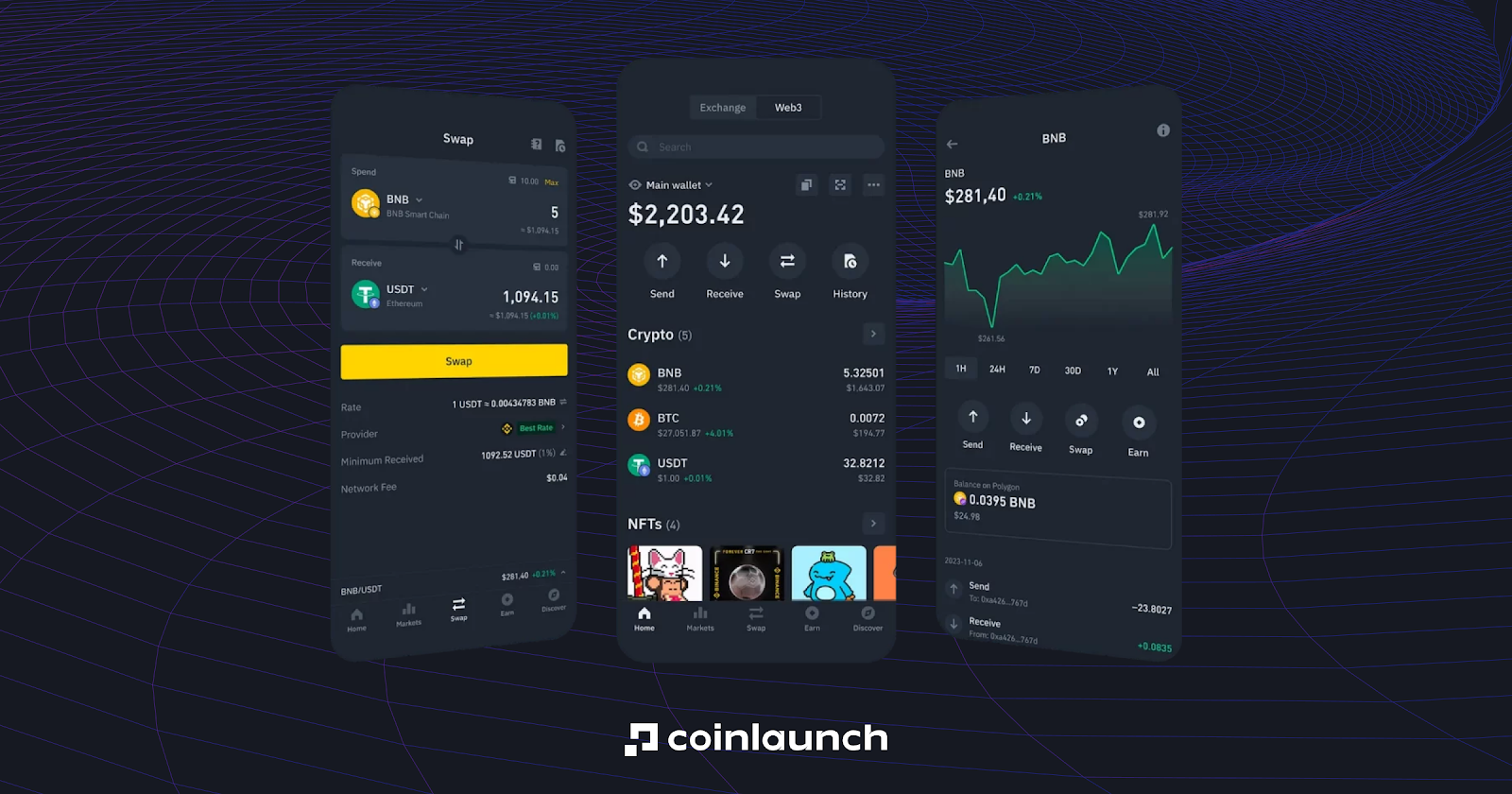
In 2023, the world’s biggest cryptocurrency exchange, Binance, launched a software wallet called Binance Wallet. It is compatible with all ERC-20, BSC-20, and BRC-20 tokens across more than 30 networks, and it is integrated into the Binance ecosystem, which means you can transfer funds between this wallet and the cryptocurrency exchange. With its built-in dApp browser, you will have DeFi, NFT, GameFi, and other Web3 dApps at your fingertips.
Also, it is powered by the Binance Bridge and enables you to swap tokens across diverse blockchains at optimal prices. Besides, you can link it to renowned DeFi applications via its dApp library, including Uniswap and PancakeSwap. Moreover, users appreciated its inherent staking system that supports DeFi staking pools for some tokens, such as ETH, USDT, USDC, and DAI, as well as BNB.
Pros
Cons
Supports all ERC-20, BSC-20, and BRC-20 tokens across 30+ networks
Requires a Binance account
Gain access to DeFi, NFT, GameFi, and other Web3 dApps directly from the wallet
No desktop app
Integrates with the Binance exchange
Supports decentralized staking pools
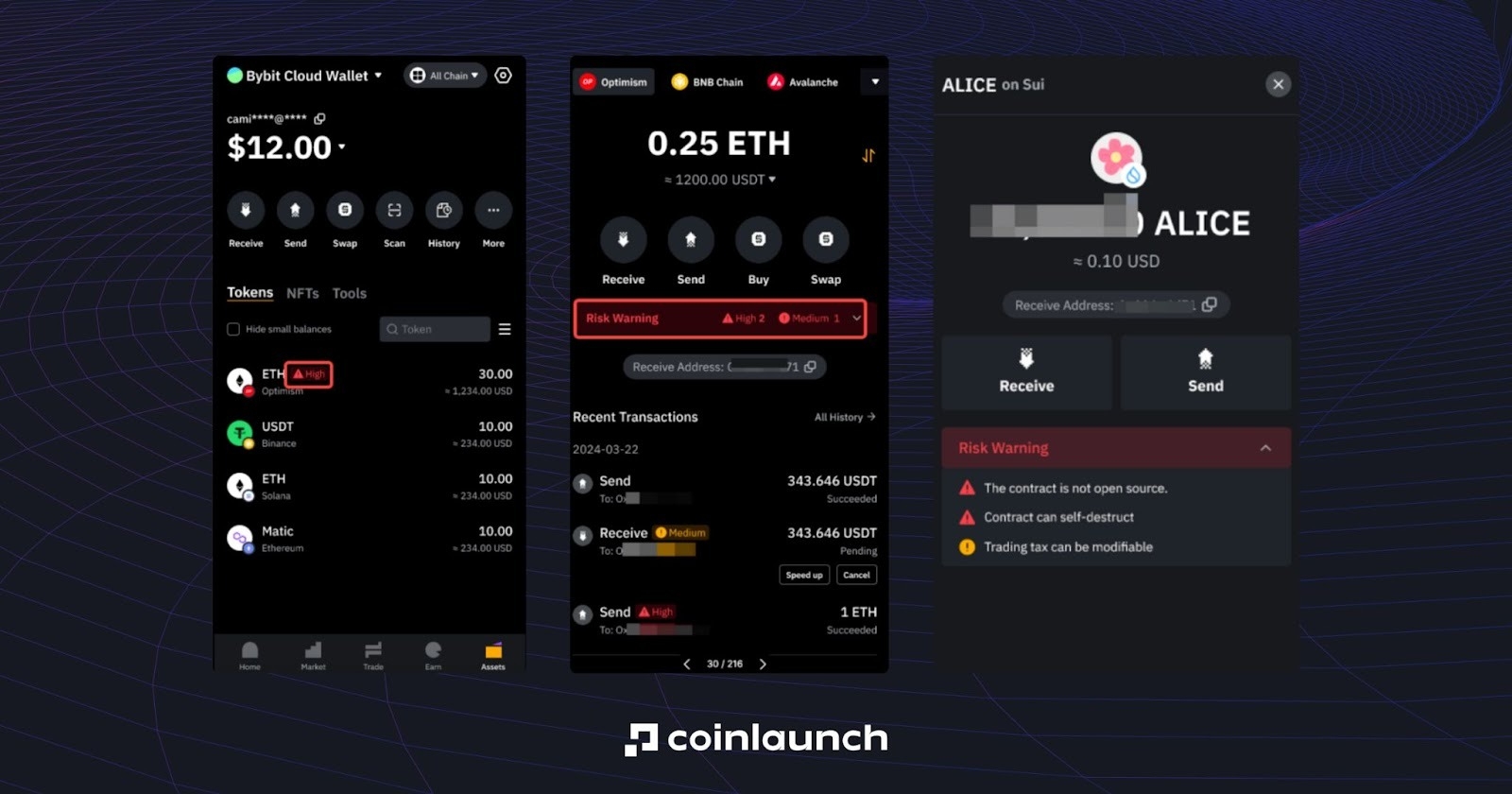
5. Bybit Wallet
Bybit Wallet (Source: Bybit)
Bybit Wallet is an excellent choice for users who engage in frequent trading, particularly those focused on crypto derivatives and fast-paced digital currency markets. Designed with professional traders in mind, it provides a seamless and high-performance experience on mobile, desktop, and web. Additionally, it's closely integrated with the Bybit exchange, allowing users to manage their assets, trade crypto, and stake assets, all in a single view.
In terms of security, this wallet is one of its strongest aspects. Bybit DeFi Wallet implements multi-signature security, 2FA, and robust cold storage to safeguard user funds. Most of their assets are stored in cold storage, significantly reducing online risk exposure.
The wallet supports a long list of cryptocurrencies (such as BTC, ETH, USDT, etc.) that will be accessible to users who manage a diversified portfolio.
Users can use the built-in swap tool to trade or swap crypto directly within the wallet, leveraging Bybit's liquidity and low fees. Additional features, such as yield farming and staking, give users the opportunity to earn passive income on their holdings without departing from the environment.
Pros
Cons
High level of security
Casual users may find this wallet overkill
Integration with Bybit’s derivatives trading platform
Requires KYC for full access to the wallet’s features
A wide range of cryptocurrencies is supported
User-friendly interface with all features in one place
Staking and passive income opportunities are available
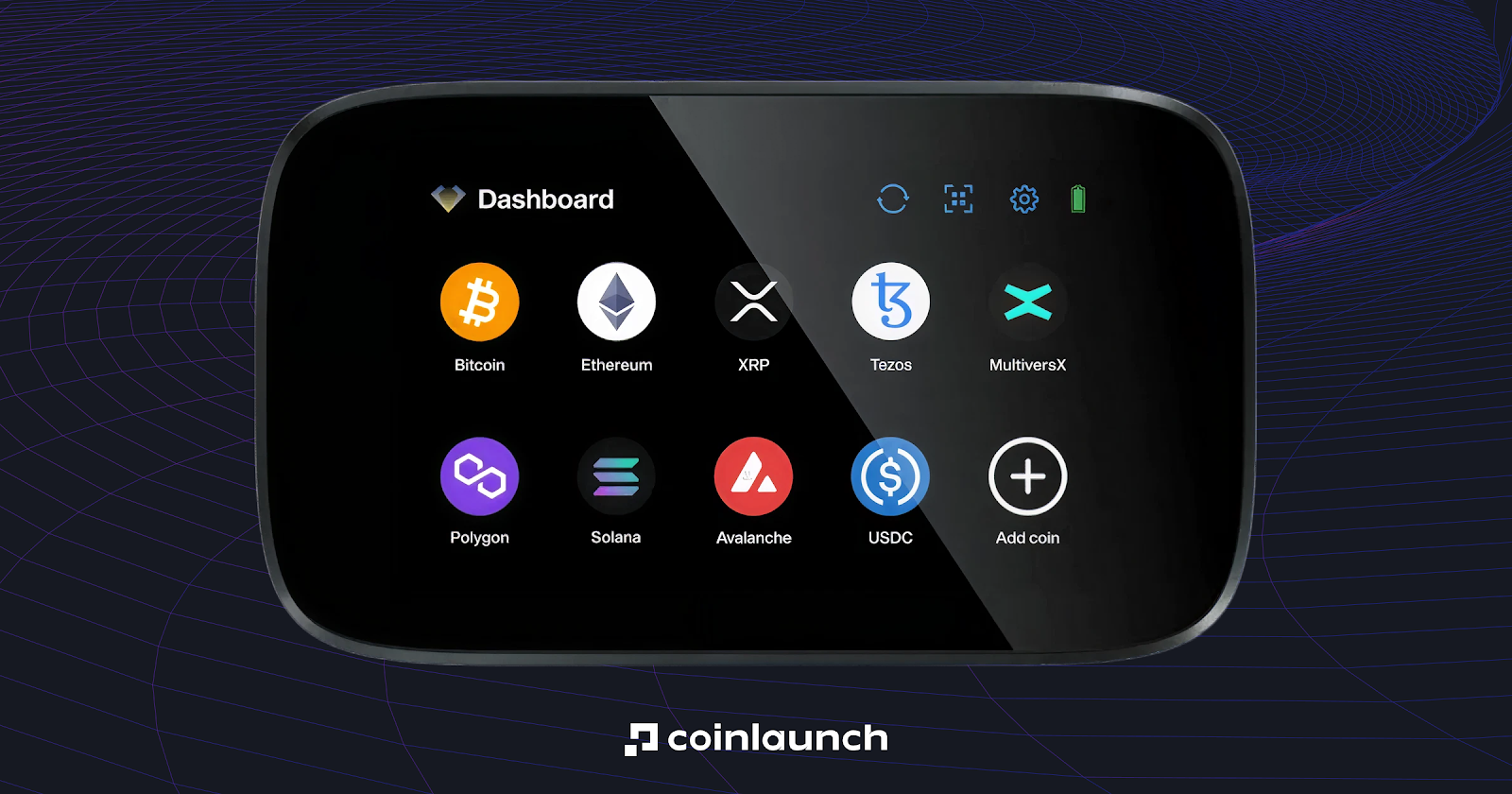
6. NGrave Zero
NGRAVE Zero (Source: NGRAVE)
If you want a wallet that is one of the safest decentralized wallets available, consider the NGRAVE ZERO. Retailing at $398, it's intended for users who place the greatest importance on security. The ZERO is completely air-gapped. It operates with no wired or wireless connectivity, virtually eliminating the possibility of remote hacking.
In addition, the wallet supports 4000+ digital assets, including BTC, ETH, XRP, and more, as well as ERC-20 and ESDT tokens, enabling a highly diversified portfolio.
The NGRAVE ZERO wallet has very high security specifications, being EAL7-certified, which is the highest level of security certification. The unit includes biometric authentication via a fingerprint scanner. The military-grade hardware is also water- and dust-proof, providing physical durability and robust digital protection.
To back it up, NGRAVE uses the Graphene architecture, with a stainless steel case designed to withstand harsh conditions and keep your backup phrase safe for the long term.
On the whole, the NGRAVE ZERO is designed for users who want the ultimate in security without sacrificing usability. It is an elite tier option for your most protected digital coins.
Pros
Cons
High level of security
High cost
Supports over 4000 digital assets
Military-grade build makes this wallet heavy and bulky
Features advanced biometric security
Water and dust-resistant
Offers the Graphene backup for physical seed phrase storage
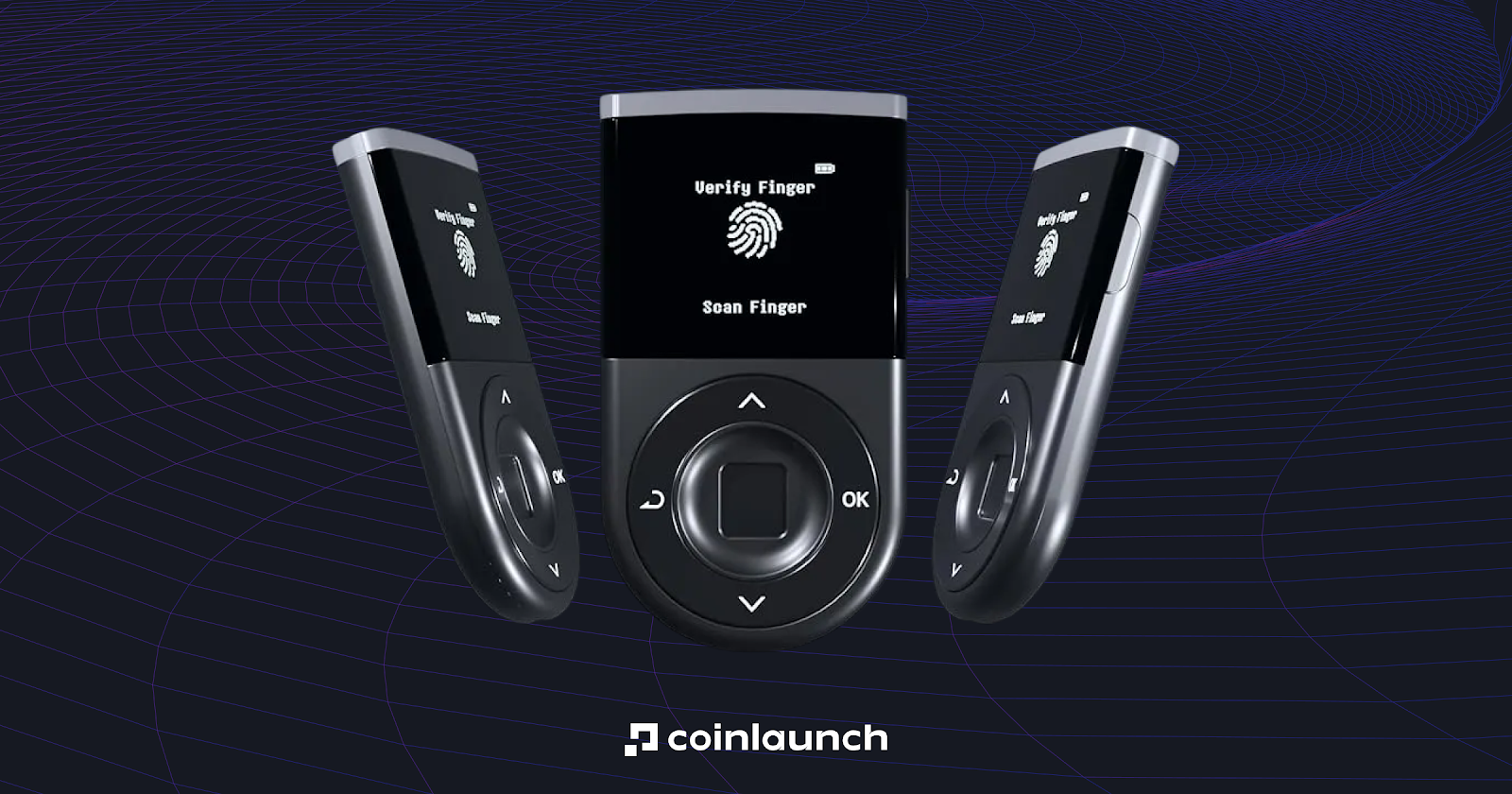
7. D’CENT Wallet
D’CENT Wallet (Source: D’CENT Wallet)
D’CENT is a hardware wallet that features biometric authentication via a fingerprint scanner, enabling quicker, more practical access than traditional hardware wallets that use only a PIN. The wallet connects with mobile devices via Bluetooth and is managed through a dedicated application for both iOS and Android.
D’CENT biometric wallet supports 4,500+ tokens, including BTC, ETH, BSC, Tron, and Klaytn. It even has native staking functionality for certain tokens, such as Klaytn and IOST. Even though it connects via Bluetooth, private keys remain safe in a CC EAL5+ secure chip, a standard used in banking hardware. The battery lasts about 1 month of usage on a single charge, while wallet backups can only be made with a 24-word recovery phrase.
Pros
Cons
Biometric authentication for speed and convenience
Closed-source firmware limits community transparency
Bluetooth connectivity for wireless mobile control
No native desktop app, so the wallet relies entirely on the mobile interface
Supports over 4,500 assets, as well as staking for selected coins
Lacks multisig support and QR-only air-gap option
Bank-grade secure chip ensures protection from theft and malware
Priced around $110–$150, which balances premium features and cost
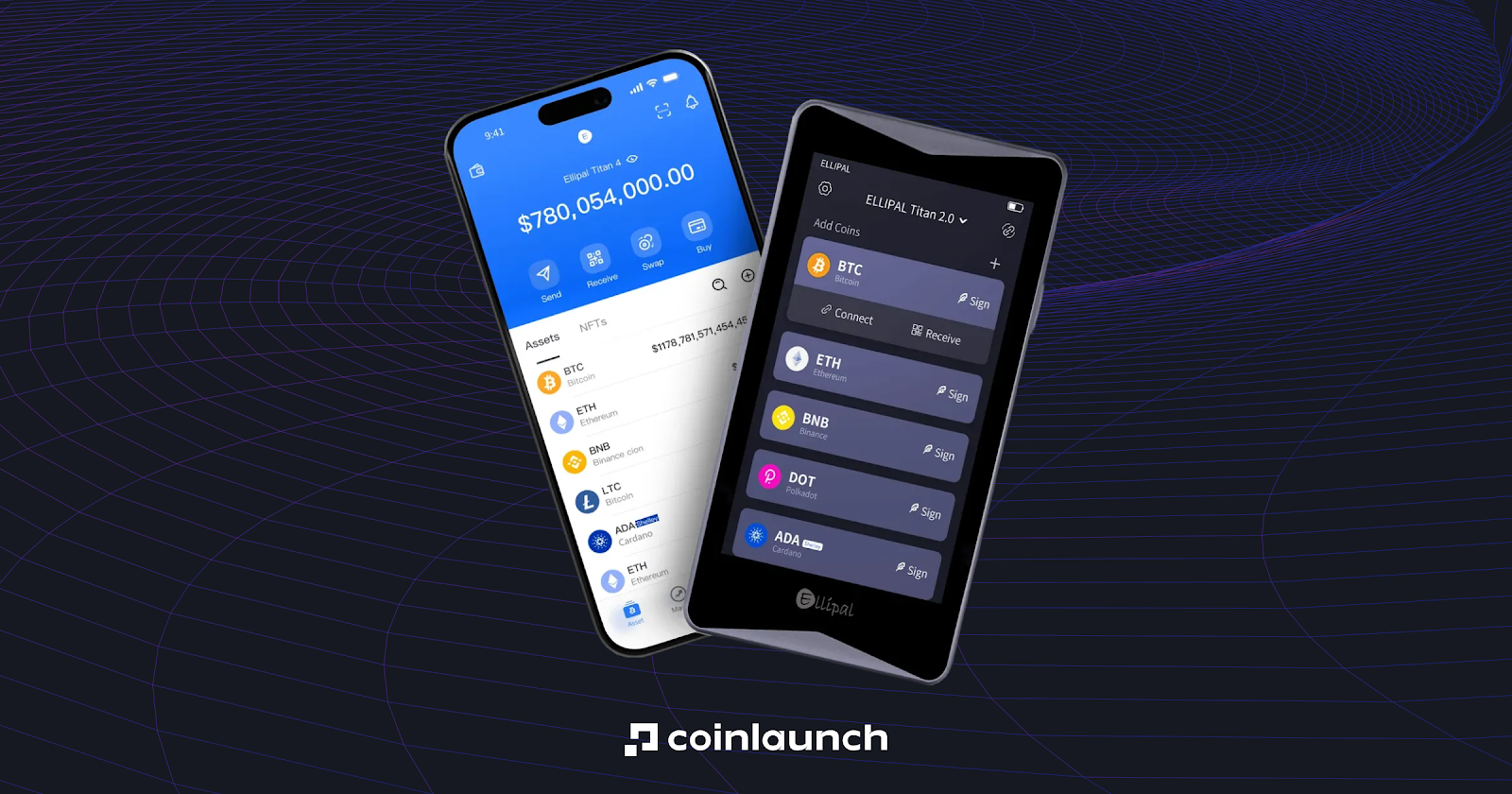
8. ELLIPAL Titan 2.0
ELLIPAL Titan 2.0 (Source: ELLIPAL)
Ellipal Titan 2.0 is a cold wallet that supports more than 10,000 cryptocurrencies (including over 50 stablecoins) across 40 blockchains. It also supports managing and trading NFTs on Ethereum and Polygon, making it extremely useful for working with multi-asset portfolios. While Ellipal does not include a native dApp browser, it connects with WalletConnect and MetaMask to access over 200 dApps across ETH, BNB, AVAX, and POL networks.
Ellipal Titan 2.0 also includes a built-in swap function powered by Changelly and SWFT, allowing swaps of over 1,000 tokens directly in the wallet with no KYC. Additionally, the Ellipal app supports users staking their assets such as ATOM, XTZ, DOT, KSM, and ADA (with ETH and SOL staking support coming soon).
One downside is the firmware update process, which requires a microSD card. This can be helpful or problematic for any user, depending on their level of technical competence.
Pros
Cons
Top decentralized hardware wallet with air-gapped security
The $169 price tag might be too expensive for some
Never connected to the internet, USBs, or Bluetooth
External providers determine token swap fees
Transaction signing is verified via QR codes
Supports more than 10,000 coins and tokens
Allows users to buy Bitcoin with a credit card
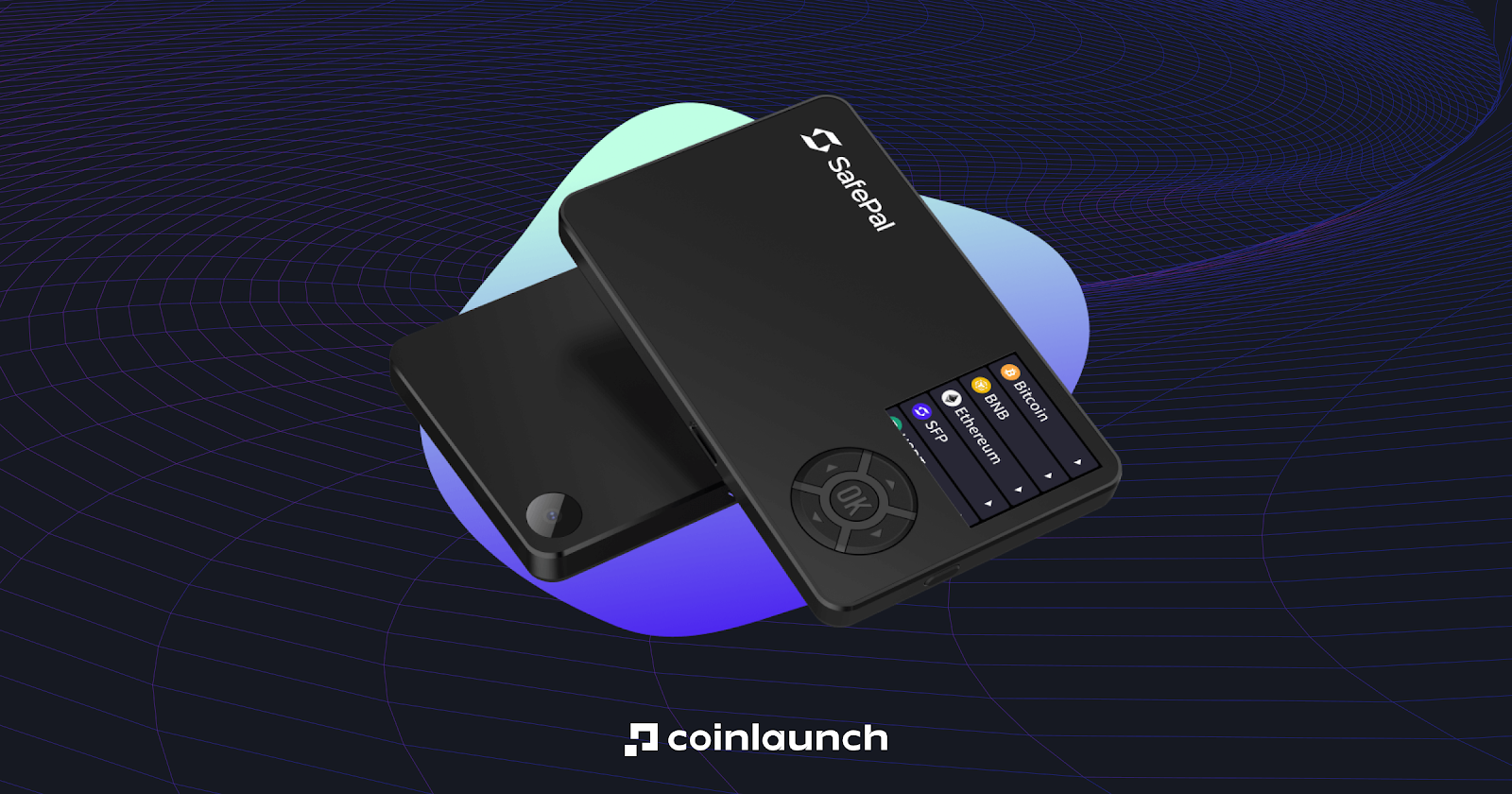
9. SafePal
SafePal Wallet (Source: SafePal)
SafePal is a hardware wallet that is quite affordable and offers strong offline security, as well as support for numerous assets. Unlike other hardware wallets, it supports transactions via QR codes, keeping private keys offline and out of the online infrastructure. To prevent malware attacks and physical attacks, it comes equipped with EAL5+ secure elements, making it one of the most secure entry-level hardware wallets available today.
By means of the mobile application (iOS and Android app), one can store, stake, swap, and dApp services. There are more than 10,000 tokens and more than 100 compatible networks, including but not limited to Solana, Tron, and Polygon, and some fees may be around 1%.
One of its outstanding features is its self-destruct mechanism, which automatically erases itself if unauthorized tampering is detected. Backups can be managed through its 12 or 24-word recovery phrase. Upgrades through firmware updates can be achieved through microSD cards, though this may be considered cumbersome by some.
Pros
Cons
Supports over 10,000 cryptocurrencies across 100+ chains
Swap fees average 1%, higher than some exchange rates
No Bluetooth or USB reduces exposure to remote attacks
Firmware updates require manual installation via microSD
Self-destruct feature adds physical security
The QR scanning process can slow down large transaction batches
Mobile app allows DeFi use without compromising offline storage
Cost-effective: priced at roughly $50–$70 (depending on region)
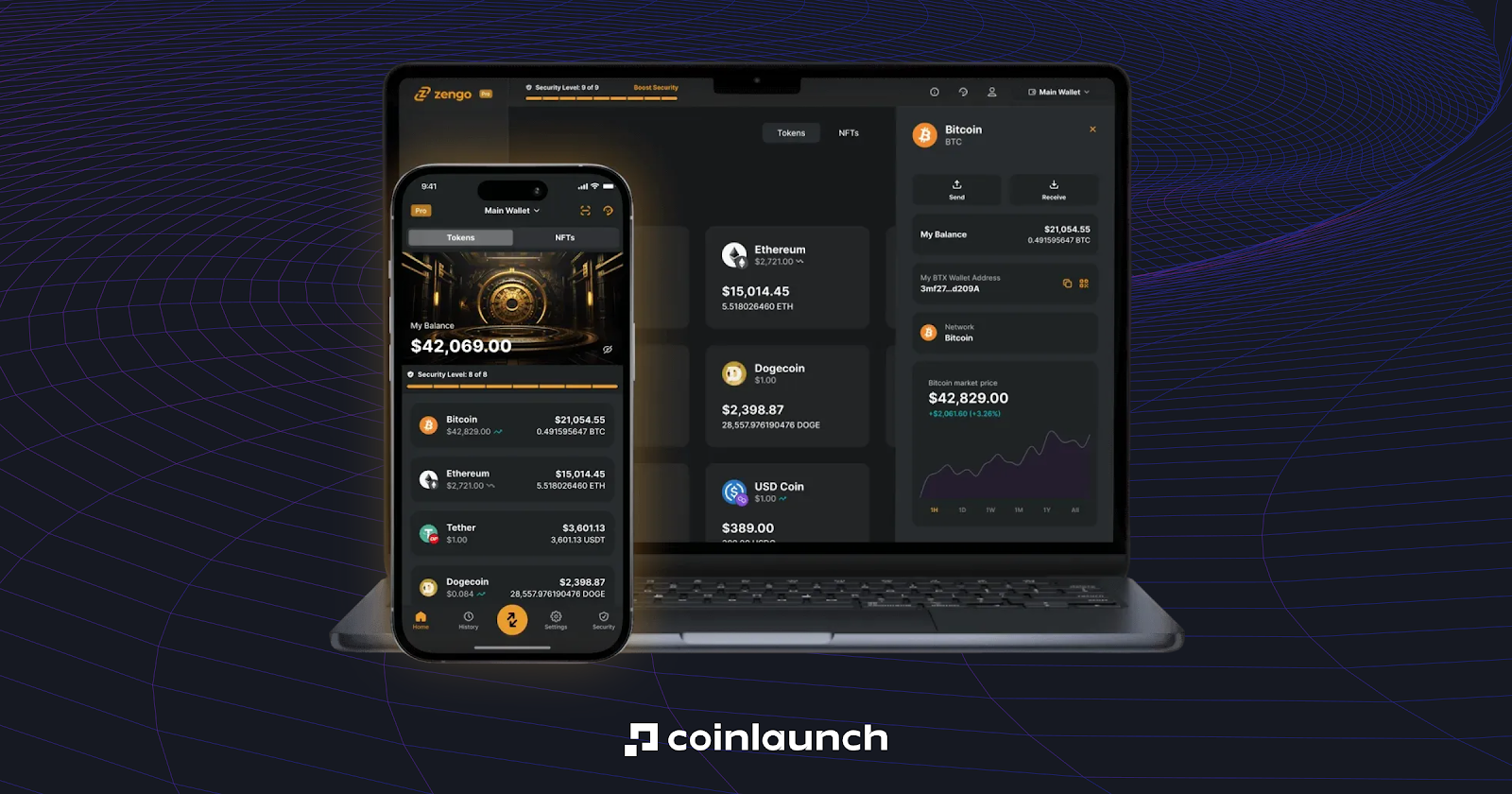
10. Zengo
Zengo Wallet (Source: Zengo)
Zengo is a noncustodial hot wallet that connects to over 1,000 Ethereum-based dApps, including OpenSea, Uniswap, and Sandbox. It allows assets to be swapped across chains, managed, and staked, including ETH and Tezos. Users can easily connect to dApps by scanning a QR code, making it very accessible for first-time users.
Another neat feature is that users can create up to 5 wallets for different purposes, such as separating a long-term DeFi investment from daily expenditures. Finally, the Zengo wallet integrates with Changelly and THORChain, allowing token swapping across multiple chains directly in the app.
The strongest part of Zengo is its security, which includes MPC cryptography, 3-factor recovery, and a spam filter for NFTs. The main drawback is that Zengo does not currently support ZK rollup-based applications.
Pros
Cons
Supports over 380 coins and tokens with 6 networks
ZK rollup-based apps are not supported
Has a partnership with Changelly and THORChain
Uses advanced security features
Up to 5 segregated wallets are available
NFT gallery
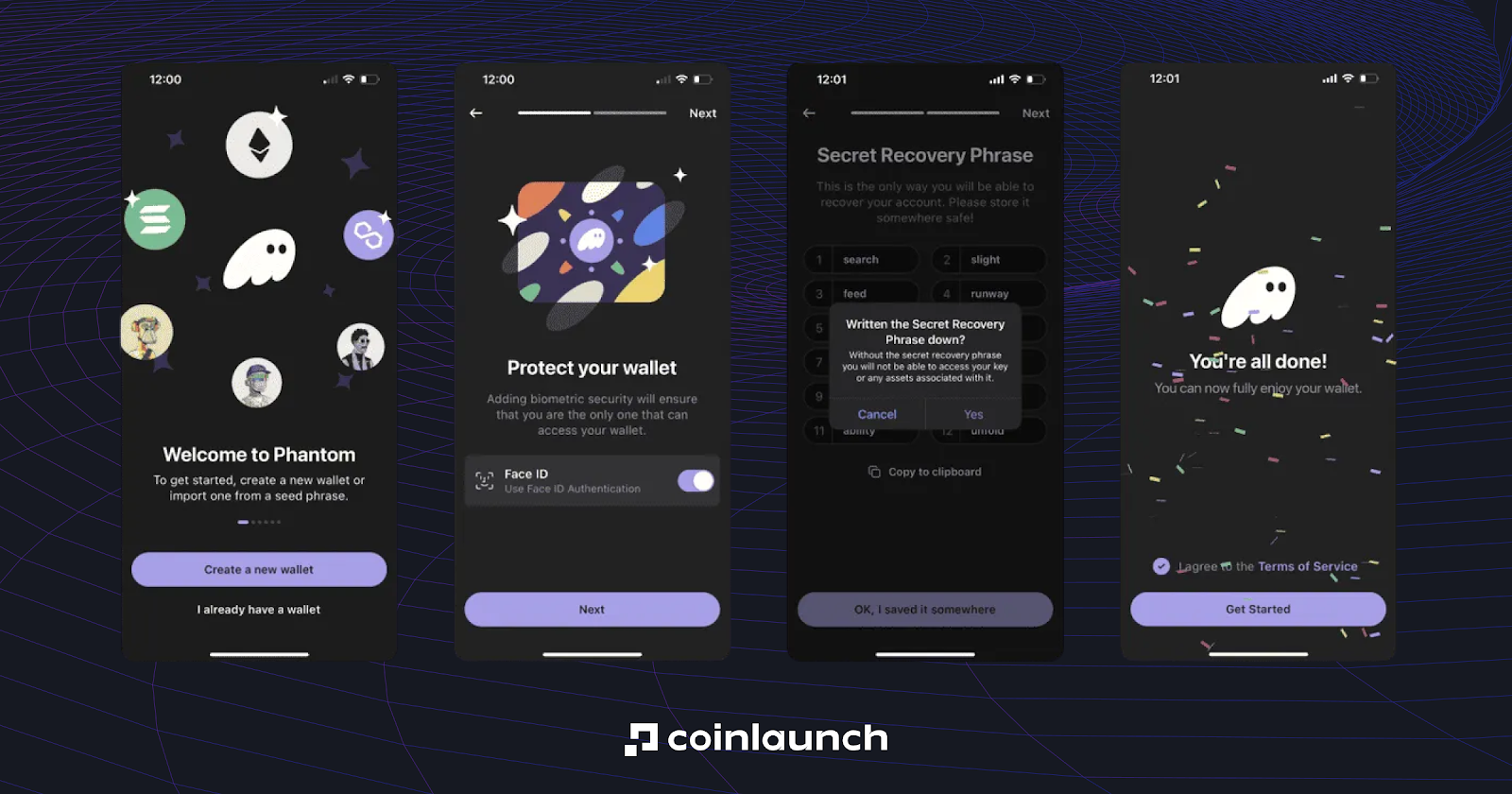
11. Phantom Wallet
Phantom Wallet (Source: Phantom)
Phantom is generally viewed as one of the leading wallets for Solana NFTs due to its NFT gallery, instant sell features, and smart NFT management (including pinning, hiding, burning, and listing). You can connect Phantom crypto wallet directly to marketplaces like OpenSea, Magic Eden, and Blur.io, as well as major DeFi platforms and DEXs on Solana, such as Orca and Raydium.
Phantom also has staking capabilities, which allow you to earn passive income from staking SOL (native or liquid staking) and ETH. Phantom provides cross-chain swaps (token bridging across Solana, Ethereum, Base, and Polygon), but incurs a fixed 0.85% service fee on all swaps.
The wallet is available as a mobile app and a browser extension, with the extension version supporting Ledger hardware. The main downside to the wallet is the limited chain support, as Phantom only works with seven blockchains: Solana, Ethereum, Base, Polygon, Sui, Monad Testnet, and Bitcoin (Native/Taproot).
Pros
Cons
Connect to popular Solana-based dApps and DEXs
Fixed 0.85% swap service fee
Smart NFT management tools
Supports only seven blockchains
Cross-chain swap support
Ledger devices can’t be integrated into the Firefox web browser
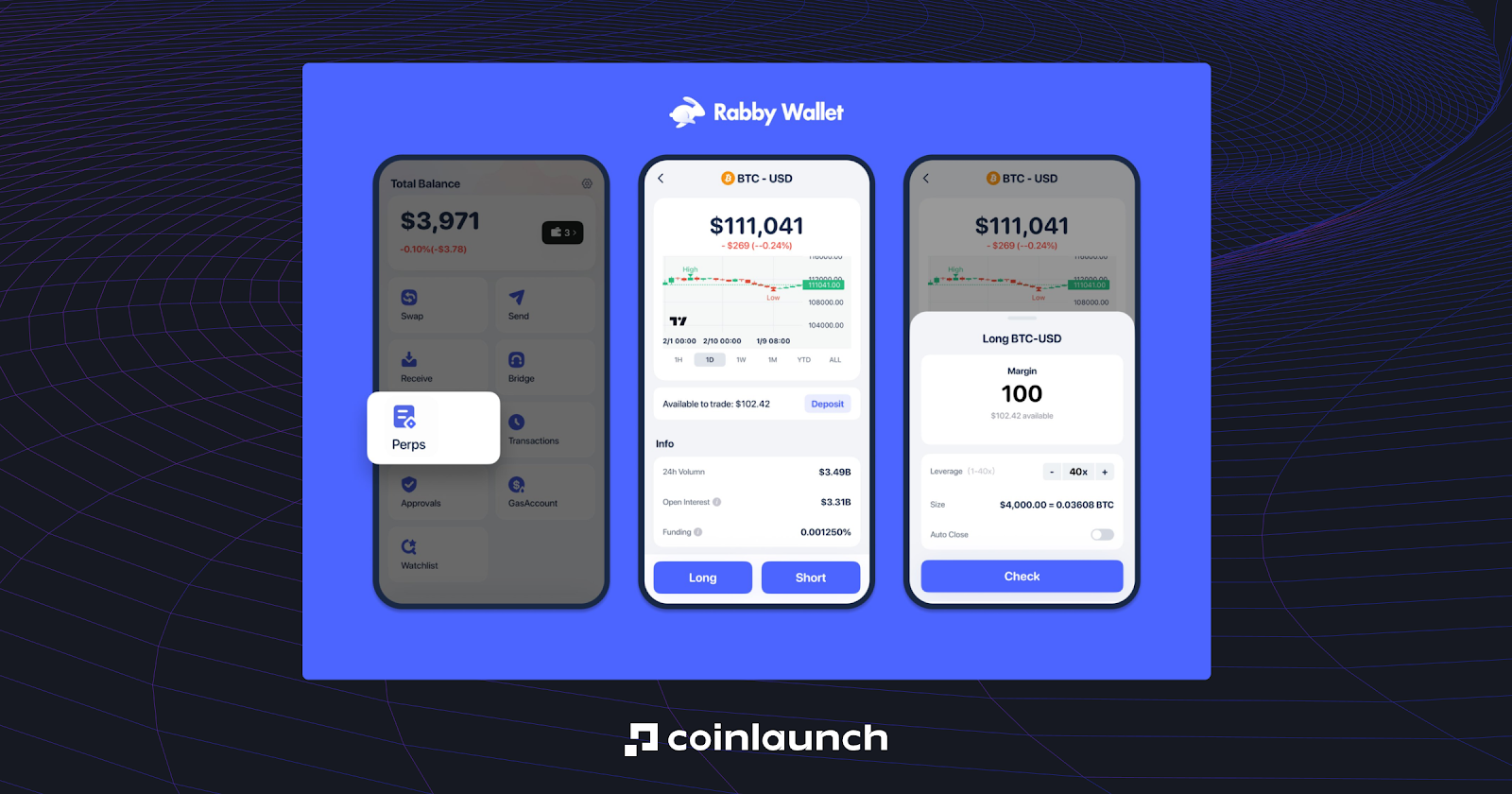
12. Rabby Wallet
Rabby Wallet (Source: Rabby)
Rabby Wallet is an advanced DeFi wallet designed for power users working across 100+ EVM chains. Designed by DeBank, Rabby Wallet eliminates manual network switching by automatically detecting the blockchain for any dApp you connect to. Additionally, Rabby Wallet features cover integration with DeBank’s analytics, providing real-time portfolio insights, transaction simulations, gas account support, and pre-signing alerts to enhance on-chain security.
Rabby Wallet is open source and regularly audited. The wallet is available on both mobile and the browser and supports most major hardware wallets, making it one of the most trusted wallets in the Web3 ecosystem and user-aligned.
Pros
Cons
Multi-chain functionality
No staking
Transaction transparency
No fiat purchases
High level of security
Token swapping and gas top-up
Compatible with many other wallets and platforms
Why Use a DeFi Wallet?
DeFi wallets are designed to interact seamlessly with decentralized applications, enabling users to leverage staking, lending, borrowing, yield farming, and more while cutting out intermediaries. For instance, certain DeFi wallets let you connect to Aave or Compound and lend or borrow crypto in a completely permissionless way.
You can stake ETH through services like Lido or Rocket Pool, directly from your wallet interface, and earn passive rewards. DeFi wallets serve other purposes, such as swapping through major DEXs (decentralized exchanges like Uniswap or PancakeSwap) or trading NFTs on NFT marketplaces like OpenSea or Magic Eden.
Most DeFi wallets are multichain, meaning you can manage and move assets across multiple chains from a single wallet without ever having to switch wallets. Being multichain provides a more seamless user experience, more granular trade fees, and lets you choose lower gas fees per chain.
Are DeFi Wallets Safe?
Overall, DeFi wallets are generally safer than CeFi wallets because you hold your own private keys instead of trusting a custodial intermediary. However, a DeFi wallet must also have strong protections in place to be a safe, secure crypto wallet. This can include features like 2FA (two-factor authentication), biometric authentication, a real-time monitoring system, a 12-word seed recovery option, MPC (multi-party computation) cryptography, PIN recovery systems, and clear-to-sign transactions. Remember that if you lose your private key or recovery phrase, your funds are gone. There is no support desk to restore your assets.
However, even the best DeFi wallets are not immune to breaches. Sometimes you can lose funds just by interacting with the wrong smart contract. A classic example is the BadgerDAO hack in December 2020, in which attackers injected malicious code into the frontend and drained roughly $120M in tokens on behalf of clueless users. DeFi platforms can also be subject to vulnerabilities such as code bugs, smart contract exploits, flash loan attacks, and oracle manipulation.
To mitigate risks, do not share your keys, use a unique, high-quality password, enable 2FA, use an audited dApp, verify the URL, and double-check before connecting your wallet.
Types of Decentralized Crypto Wallets
There are many types of DeFi wallets, but not all work the same way. We can delineate the most common varieties.
Software Wallets
Software wallets (also called hot DeFi wallets) typically remain online, which is useful for engaged traders who want quick access and rapid exchanges.
Wallets come in several versions:
Mobile Apps (iOS/Android) – Many of the most popular wallets offer mobile apps. These wallets are usually locked with either a PIN or biometrics, such as Face ID or fingerprint. Most transactions are instant, and to make sending assets safer and easier, some wallets utilize QR scanning.
Desktop Apps – Suggested for users who want to trade on a larger screen, but all desktop applications have some of the highest malware risks. Some desktop wallets offer 2FA to improve security.
Browser Extensions – Very popular and very convenient, but also the least secure. Browser extensions primarily rely on a username and password for security.
Hardware Wallets
Wallets that use physical technology, also known as cold DeFi wallets, are offline devices that do not connect to the network.
By design, remote hacking is almost impossible since the wallet is offline. For example, ELLIPAL Titan 2.0 takes the idea further by providing air-gapped protection that blocks all wireless and cable connectivity. While the key is never to leave the device, each transaction must always be confirmed by its user in person.
These wallets are not built for frequent active trading, but they offer the safest option for long-term custody, particularly for large amounts. Losing your own device will require recovery through the backup recovery phrase.
Paper Wallets
Paper wallets are an offline storage solution similar to hardware wallets, but they are essentially free. Any private keys or seed phrases you have will simply be stored on paper.
For example:
1. You install a wallet and create a new wallet.
2. You write down the 12-word seed phrase on paper and reenter it to confirm.
3. You send funds to the wallet.
4. You delete the app from your device, so there is no longer any online exposure.
5. The paper is stored in a safe place.
Paper wallets are the best option for long-term holding. If you want access to the funds later, you will simply need to reinstall the wallet and manually enter the seed phrase again.
Final Thoughts
A DeFi wallet provides direct access to a wide range of decentralized applications, including staking, lending, borrowing, yield farming, and more. It facilitates swapping tokens, interacting on decentralized exchanges, and managing NFTs, all from the wallet application.
With a DeFi wallet, you own your private keys and thus have full control of your assets at all times. No custodians, central authorities, or KYC required.