Coinlaunch was created by a team of crypto experts to help current and future crypto investors find the latest cryptocurrency ICOs and presales. All content follows a strict editorial policy that ensures factual accuracy, neutrality, and usefulness. We strive to provide insightful content that helps our audience make informed decisions, while emphasizing the importance of prioritizing safety and risk management. All information in our content is based on thorough research conducted by our team of copywriters and editors. We use proven sources to find relevant projects and ensure that all content is updated regularly. The information provided by Coinlaunch should be used for informational purposes only and should not be taken as investment advice.
Table of Contents
What Is a Perp DEX? Perp DEX Meaning and Differences From a Regular DEX
Perp DEX Volume in 2026: Top Perp DEX by Volume, Market Leaders, and Key Trends
Best Perp DEX Comparison Table: Top Perp DEX 2026
goodcryptoX
Hyperliquid
Arcus
Variational
Aster DEX
Lighter
The Verdict: Best Perp DEX 2026 for Trading
Share this blog post
Perp DEXs can hardly be considered a niche part of DeFi anymore. In 2026, this market is noticeably more competitive compared to previous years: alongside Hyperliquid, platforms like , Lighter, Variational, and others have emerged, competing on fees, liquidity, and trading tools.
In 2026, a perp DEXs are no longer limited to leveraged trading on BTC and ETH. They became the first platforms to bring traditional financial markets on-chain, offering perpetuals on stocks, indices, oil, and pre-IPO companies. A prime example is SpaceX: in June, its perpetual contract briefly became the second most traded asset on Hyperliquid.
However, the best perpetual trading platforms differ by more than just volume. Some offer lower fees, others provide more markets and leverage, while some feature trailing orders, bots, a mobile app, and additional automation tools.
In this perp DEX list, we compare six platforms: goodcryptoX, Hyperliquid, Arcus, Variational, Aster, and Lighter across liquidity, fees, leverage, and trading features.
What Is a Perp DEX? Perp DEX Meaning and Differences From a Regular DEX
A Perp DEX is a decentralized exchange for trading perpetual futures. It allows users to open leveraged long and short positions directly through a crypto wallet, with execution close to that of a CEX but without KYC or custodial risks. Since users retain control of their funds, the platform cannot block withdrawals.
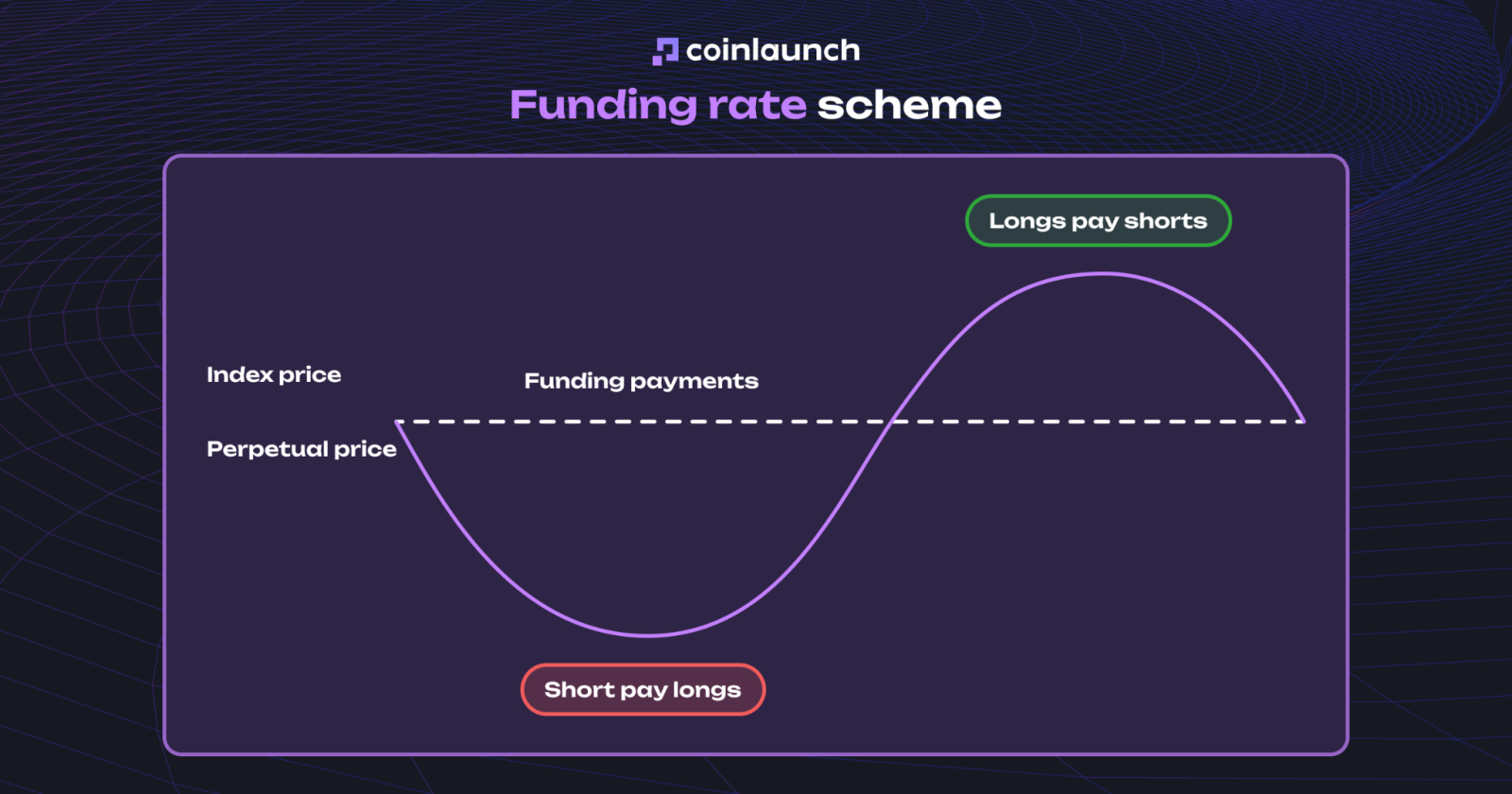
The main feature of perpetual futures is that contracts have no expiration date. To keep the contract price from deviating too far from the underlying asset price, exchanges use a funding rate: traders on one side of the market periodically pay traders on the other. When using leverage, a position also has a liquidation price. If collateral becomes insufficient, the position can be forcibly closed.
A Perpetuals DEX differs from a standard DEX primarily in the type of trading it offers. On Uniswap, Raydium, and other spot DEXs, a user typically swaps one token for another and owns the purchased asset after the trade. On perp DEXs, a trader opens a derivative position on the price movement of BTC, ETH, stocks, indices, or another available market without purchasing the underlying asset itself.
Infrastructure also differs. Spot DEXs often use AMMs and liquidity pools. A Decentralized perpetual exchange can operate through an on-chain order book, an RFQ model, or its own liquidity system. Because of this, the interface of these platforms is usually closer to futures CEXs, featuring cross and isolated margin, Stop Loss, Take Profit, and other order types.
A decentralized futures exchange and a perpetuals DEX are often used with a similar meaning. However, a perp DEX specializes specifically in perpetual contracts, whereas a futures exchange can theoretically also support futures with a fixed expiration date.
Perp DEX Volume in 2026: Top Perp DEX by Volume, Market Leaders, and Key Trends
The perp DEXs market has grown severalfold over the past two years. In 2025, the trading volume of decentralized perpetual exchanges reached $6.38 trillion compared to $1.5 trillion in 2024. In the first four months of 2026, average monthly perp DEX volume increased to $611.6 billion, up from an average of $531.7 billion in 2025. At the same time, activity gradually declined, falling from $751.6 billion in January to $481.8 billion in April.
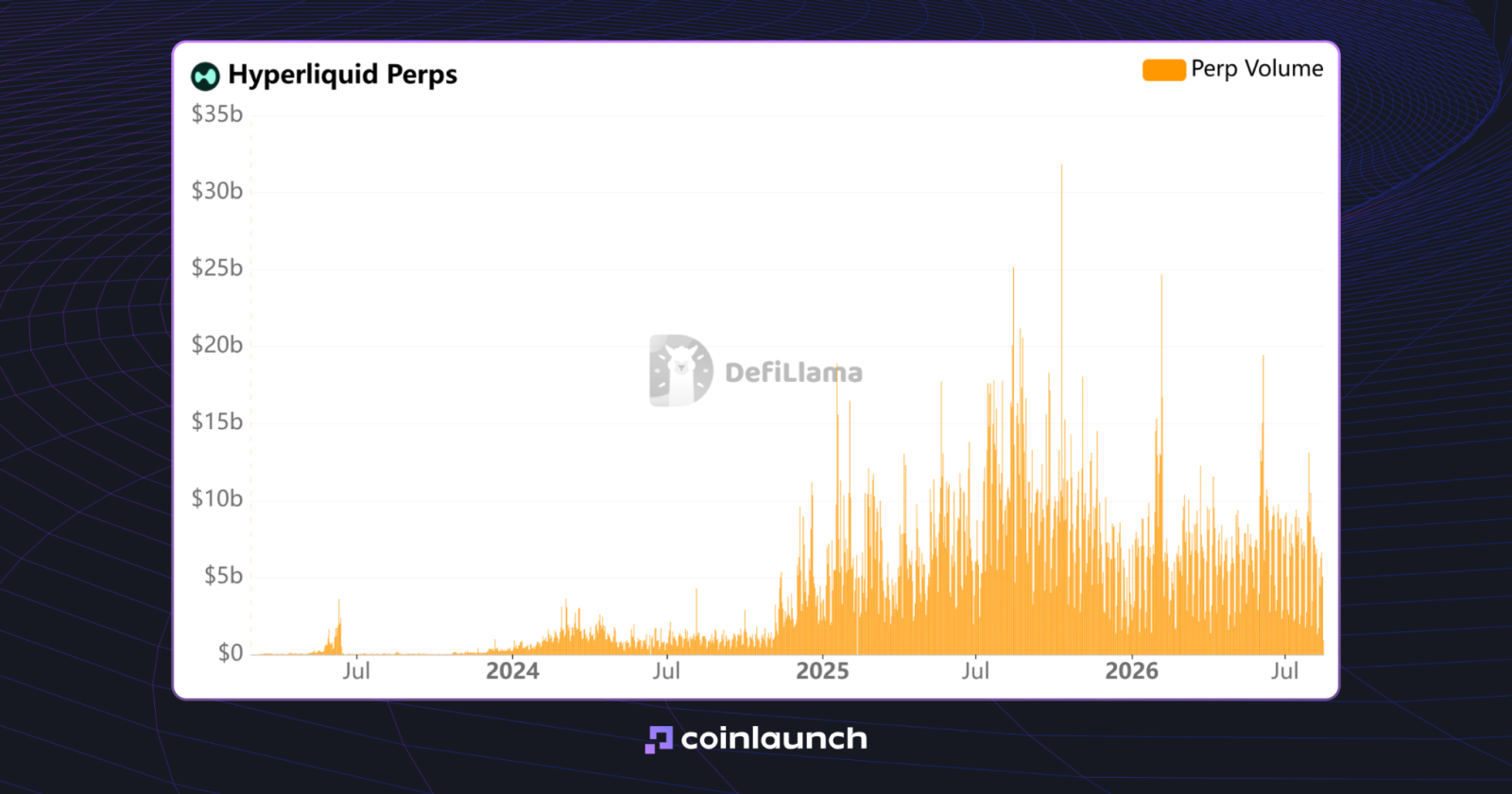
By mid-August, Hyperliquid remains the top perp DEX by volume: over the past 30 days, the platform processed$177.8 billion, or about 39% of the total volume of all perp DEXs. Next in 30-day volume are Aster with $37.4 billion, ApeX with $34.7 billion, and Lighter with $32.5 billion. Variational added another $23 billion.
At the same time, top perp DEXs are gradually taking market share from centralized platforms. The DEX share of total perpetual open interest stands at 13.5% as of late April 2026, compared to 3.6% in early 2025. In terms of trading volume, the Perp DEX/CEX ratio reached 13% at the end of 2025 and stood at around 10% in April 2026.
Another trend of 2026 is perpetual contracts on traditional assets. Through HIP-3 on Hyperliquid, stocks, commodities, indices, and other RWAs are traded. The share of these markets in Hyperliquid's total volume grew from 2% in Q4 2025 to 32% in Q2 2026. In April, the daily volume of two TradeXYZ oil perpetuals even surpassed the BTC volume on Hyperliquid.
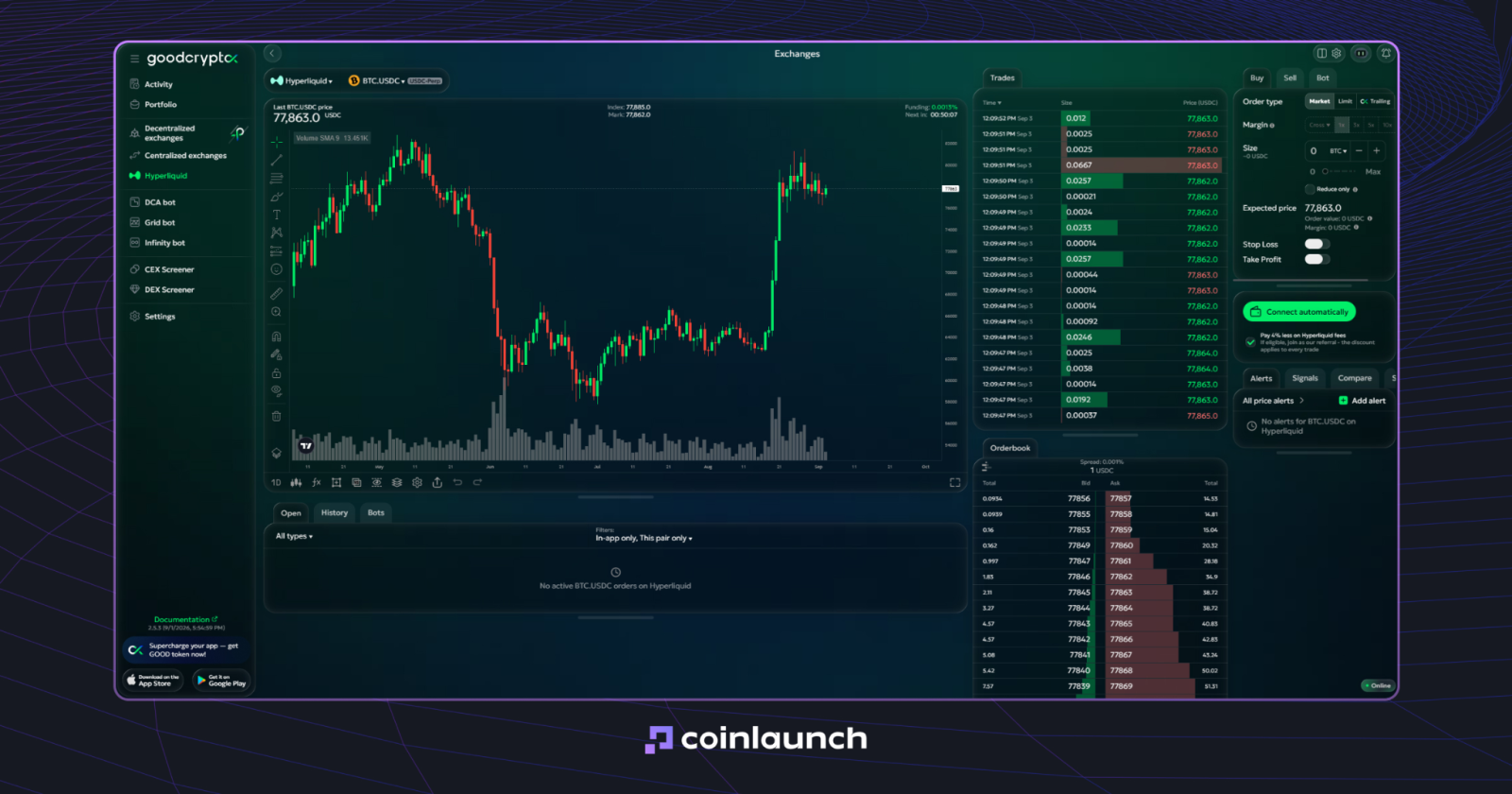
goodcryptoX is a trading terminal that combines several exchanges in a single interface. The service was originally launched as GoodCrypto and rebranded to goodcryptoX in 2024 after adding DEX trading. According to the team, the app has processed over $5 billion in trading volume, with its user count exceeding 400,000. Currently, goodcryptoX supports perp trading through Hyperliquid. Integrations with Aster, Lighter, Jupiter perps, ApeX, and other perp DEXs are coming soon, allowing users to access markets across multiple platforms from a single interface.
In goodcryptoX, Hyperliquid connects via an API wallet, so the user trades on the exchange itself, but through the terminal's interface. This also applies to HIP-3: cryptocurrencies, stocks, ETFs, indices, and commodities are available.
As a result, goodcryptoX’s users can enjoy a broad range of advanced order types - trailing orders, multiple Take Profits, smart Stop Loss, etc., as well as order visualization and modification directly on the chart. Trading directly through Hyperliquid provides fewer features for trading and position management.
However, the core feature of goodcryptoaX is no-code algo trading - . The terminal features no-code DCA, Grid, and Infinity Trailing bots. Through webhooks, you can trigger or cancel orders and bots based on signals from TradingView, Claude, a custom AI agent, n8n, Zapier, or any other system capable of sending a webhook. For perp DEXs, these PRO tools are available to all users, though trades are subject to a swap fee.
Another part of the terminal is the monitoring system. Users can receive alerts for price changes, new listings, Buy/Sell signals, as well as order and bot executions. goodcryptoX has iOS and Android apps, so the same notifications and perp trading tools are available from a smartphone. This is more cost-effective than buying a separate TradingView subscription just for alerts.
Hyperliquid
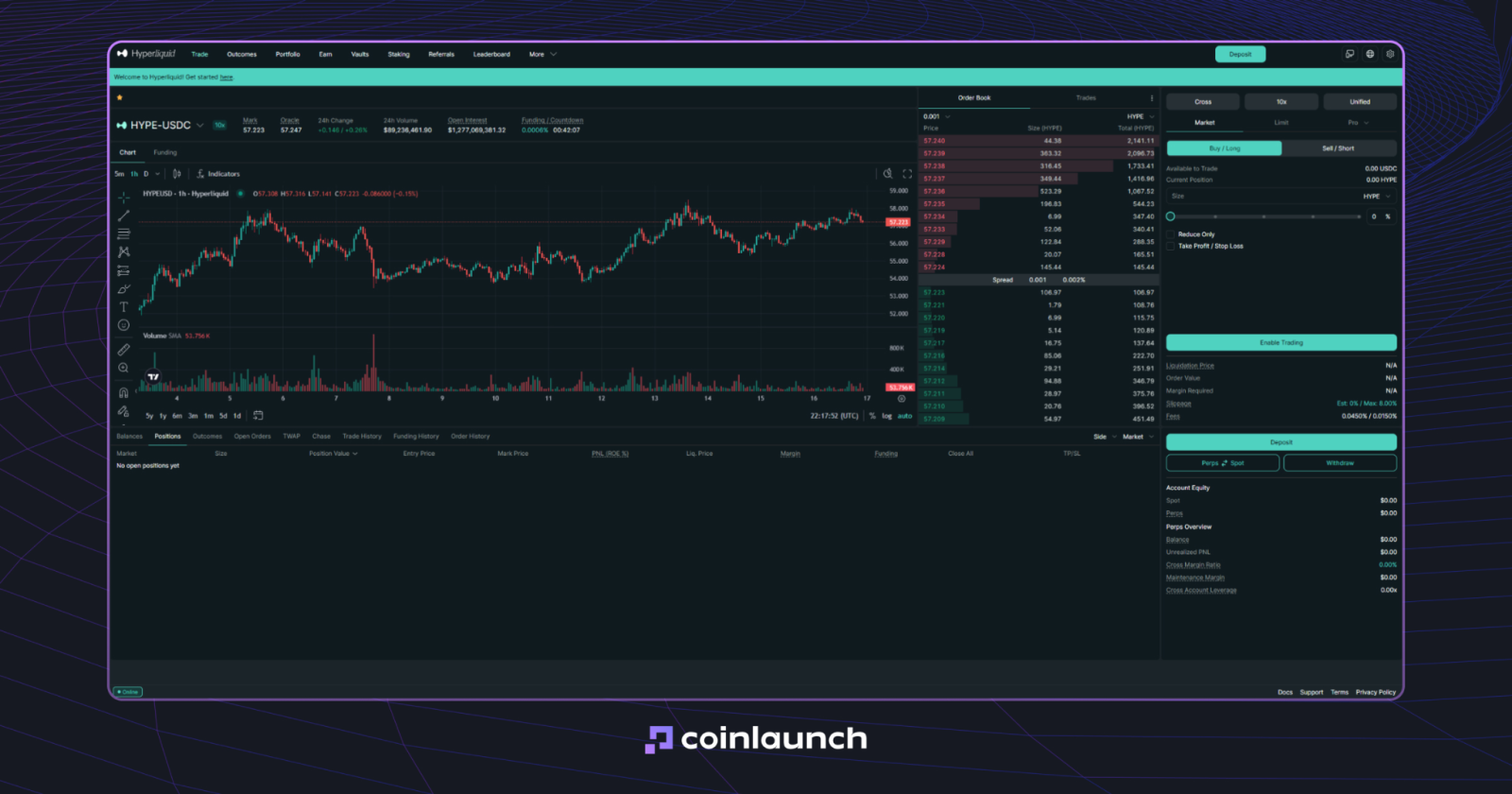
Hyperliquid ranks first among perp DEXs by trading volume. Over the past 30 days, the Hyperliquid perpetual futures DEX processed approximately $177.8 billion, and total perp volume since launch has exceeded $5 trillion. The platform operates on its own Hyperliquid L1 with an on-chain order book. Maximum leverage depends on the asset and position size, reaching up to 40x.
The project was founded by Jeff Yan, a Harvard graduate and former employee of the HFT firm Hudson River Trading. Prior to Hyperliquid, he also founded the cryptocurrency market-making company Chameleon Trading.
A separate focus of Hyperliquid DEX is perpetual contracts on traditional assets. After the launch of HIP-3, third-party teams gained the ability to deploy their own markets, including contracts on stocks, indices, and commodities.
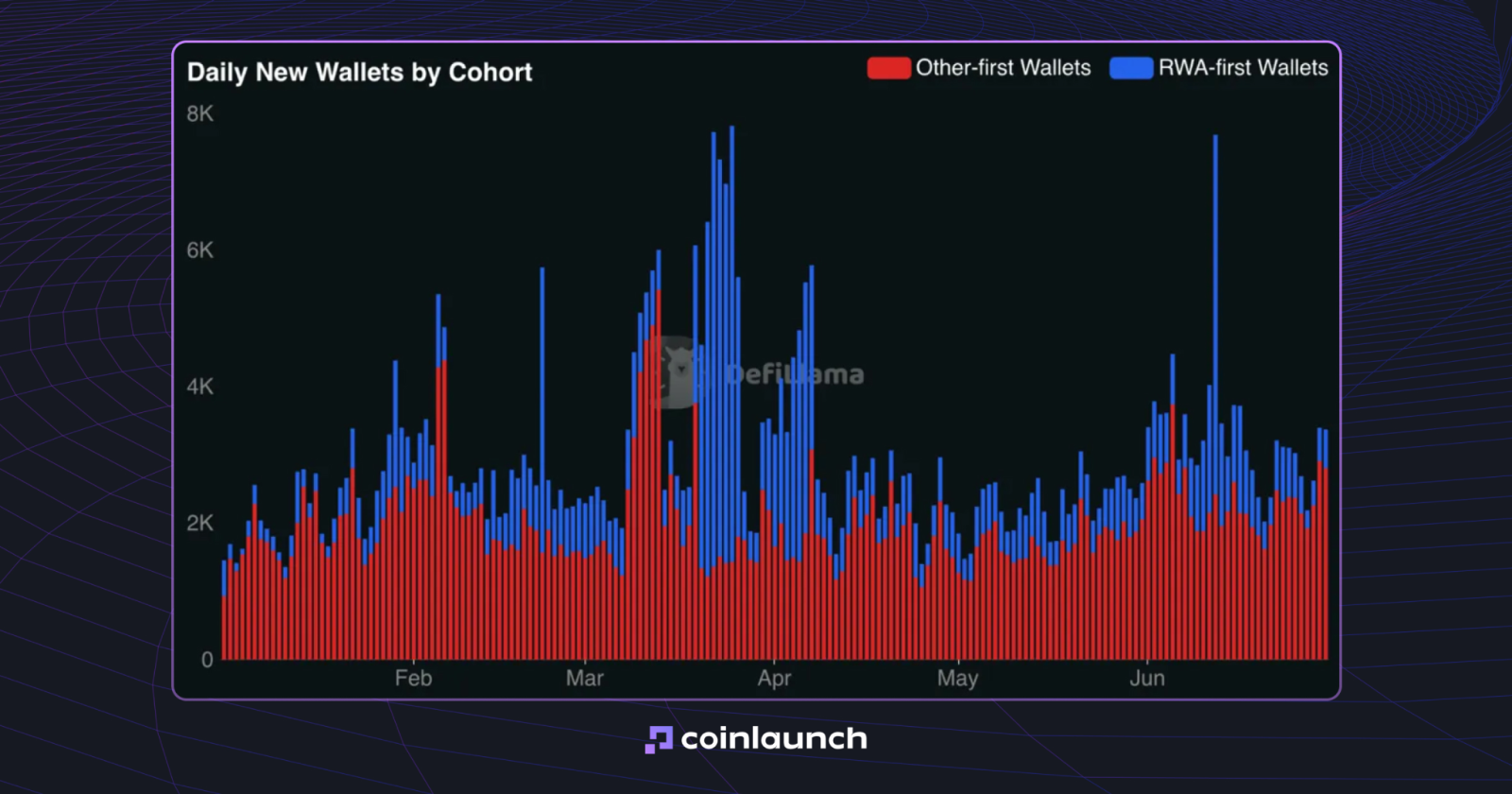
In the second quarter of 2026, the share of HIP-3 RWA perpetuals reached 32.2% of Hyperliquid's trading volume, compared to 20.7% in Q1 and 1.8% in Q4 2025. Moreover, from January to June, 169,514 wallets made their first trade on Hyperliquid specifically through the RWA market, accounting for 31.7% of all new wallets during the period.
RWA Markets attracted 169K new wallets. Source: defillama.com
The RWA segment already includes markets that generate volume independently of cryptocurrencies. For example, in June, the SpaceX perpetual contract briefly became the second most traded asset on Hyperliquid, exceeding$1.3 billion in daily volume.
Hyperliquid perp DEX supports Market, Limit, Stop, TP/SL, Scale, TWAP, and Chase orders. The latter automatically moves a Post Only limit order following the best bid or ask. However, a trailing stop is not available.
For a long time, Hyperliquid did not have a mobile app. In July 2026, the team released an Android version, but there is no iOS app yet.
Arcus
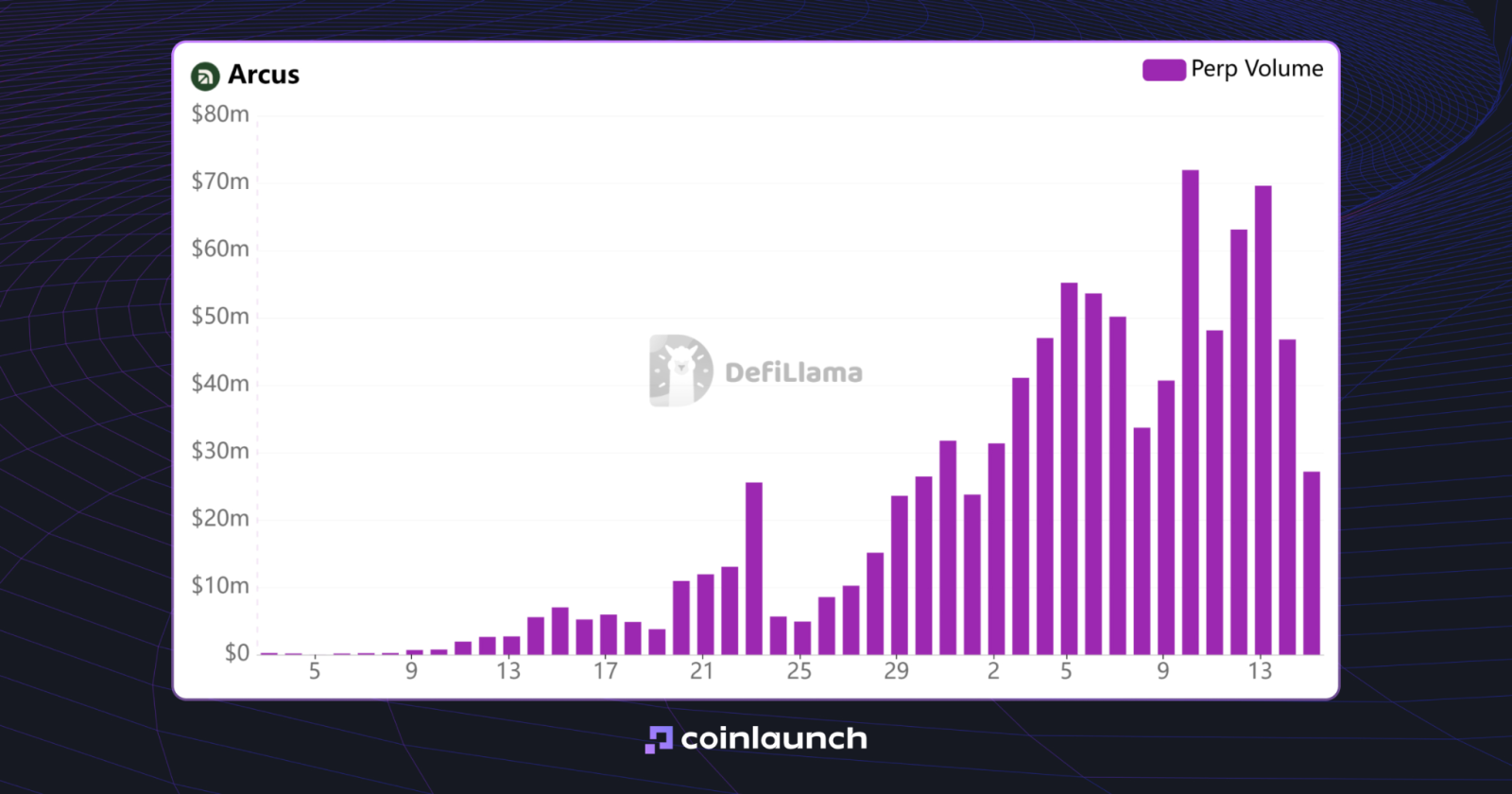
Arcus DEX is a new trading platform from the dYdX Labs team, launched in July 2026 in collaboration with Robinhood Crypto on the Robinhood Chain. The founder and CEO is Eddie Zhang, whose startup Pocket Protector was acquired by dYdX in 2025. Prior to that, Zhang worked on Messenger at Meta, while Pocket Protector created a Telegram app for perpetuals trading. Robinhood Crypto also became a strategic investor in Arcus.
The main focus of Arcus DEX is 24/7 trading of tokenized traditional assets and perpetual futures. The platform offers up to 200 Stock Tokens and 35 RWA-perps on stocks, indices, commodities, and cryptocurrencies. Arcus perps uses cross-margin, and maximum leverage reaches up to 50x.
Currently, Arcus perp DEX lags significantly behind market leaders in volume (33rd place): over the past 30 days, perpetual volume was around $906 million. For comparison, the previously mentioned Hyperliquid processed $170 billion during the same period.
It is worth noting that the Arcus exchange is still operating in beta: access to perpetuals is being rolled out in phases to users from the waitlist.
Market, Limit, Stop Market, Stop Limit, and TP/SL are available for trading. During the beta, the maker fee for the first five tiers is 0%, while the base taker fee is 0.0225%. However, more advanced order types are not yet available: TWAP, trailing stop, and OCO are only on the roadmap. A full mobile app has not been released yet either; on the Arcus DEX official website, the iOS version is listed as Coming Soon.
Variational
Variational is a protocol for P2P and derivatives trading launched by Lucas Schuermann and Edward Yu. Its main product is Variational Omni, which is focused on perpetual futures. Unlike classic order book DEXs, trades are executed through an RFQ model: the Omni Liquidity Provider requests liquidity from CEXs, DEXs, and OTC counterparties, after which it offers the trader the current price.
Currently, Variational DEX supports over 500 markets: cryptocurrencies, stocks, indices, and commodities. Maximum leverage reaches up to 50x. Variational Omni trading fees are 0% for both maker and taker trades; an additional $0.1 is charged for deposits and withdrawals.
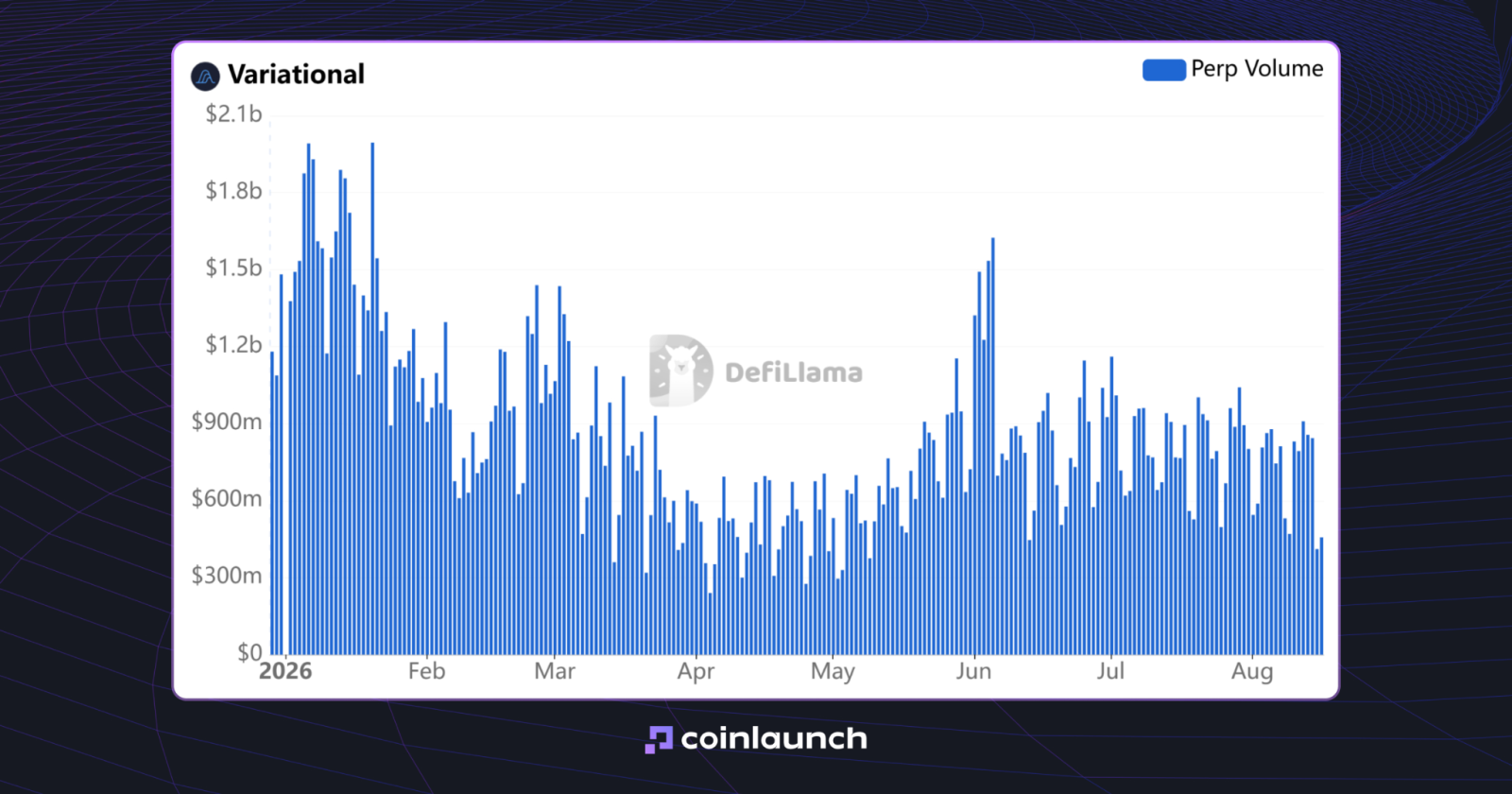
According to DefiLlama, Variational trading volume over the past 30 days is around $23 billion, with cumulative perp volume reaching $197 billion. For comparison, back in July, Variational Omni TVL was approximately $100 million, and the project was the fourth-largest perp DEX by open interest.
The Variational perp DEX also remains one of the platforms for airdrop farming. Users earn Omni Points for trading, and according to the project's documentation, the weekly point distribution is expected to continue at least until the end of Q3 2026. In August, OTC trades for Variational Points were executed at around $22-$24 per point.
At the same time, the set of trading tools is still limited compared to some competitors: the Variational exchange features Market, Limit, Trigger, and TP/SL orders, but lacks a native trailing stop. There is also no separate mobile app yet; the team has adapted Omni for mobile browsers and previously announced the development of a native iOS client.
Aster DEX
Aster DEX emerged in March 2025 following the merger of Astherus and APX Finance. The project is led by Leonard Leung. Prior to the crypto industry, he worked on infrastructure for high-frequency trading and risk engines for the stock market, and later served as a product manager at Binance. Astherus also received investments from Binance Labs, which later became YZi Labs.
Leonard himself mentioned that CZ remains his mentor and regularly discusses the project's development with the team.
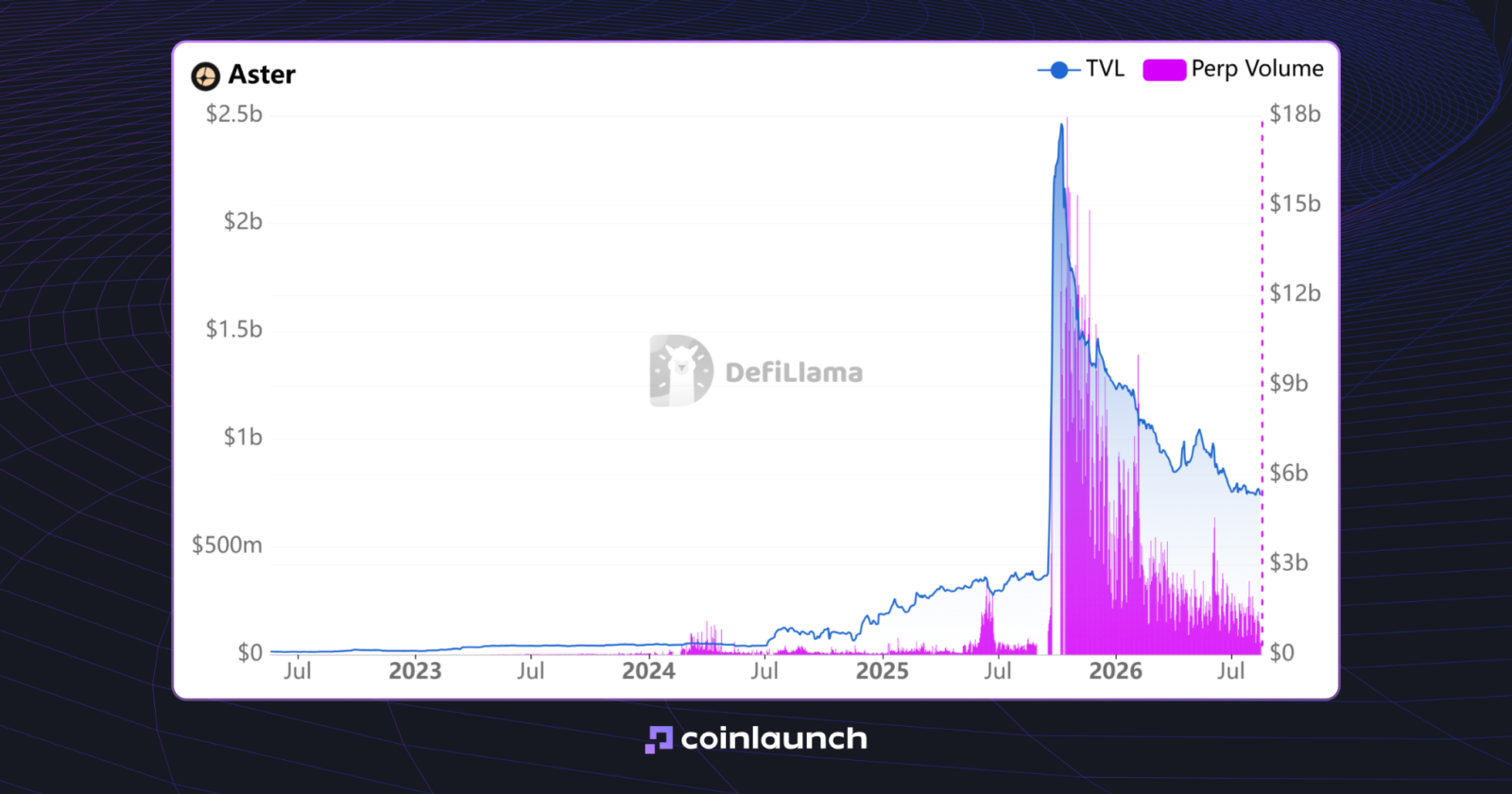
In 2026, Aster perp DEX remains one of the largest platforms in the segment. According to DefiLlama, over the past 30 days, perpetual trading volume reached around $37.4 billion, while cumulative volume exceeded $1.3 trillion. However, the platform's position has declined relative to its peak: in September 2025, Aster accounted for about 70% of the on-chain perpetuals market, but by April 2026, that share had dropped to approximately 15%.
Aster perp DEX volume and TVL chart. Source: defillama.com
In March 2026, the team launched its own Aster Chain. The L1 is designed for derivatives and, according to the project, provides 50-millisecond blocks and a throughput of up to 100,000 TPS. The focus is on privacy: orders can be encrypted, and one-time stealth addresses are used for trades.
For Aster perps, Trailing Stop, TWAP, Scaled, Chase, and Hidden orders are available, as well as built-in Grid Trading. In Simple Mode, leverage reaches up to 1001x, while in regular trading, the limit depends on the instrument and can reach up to 200x. Aster also offers apps for Android and iOS.
Lighter
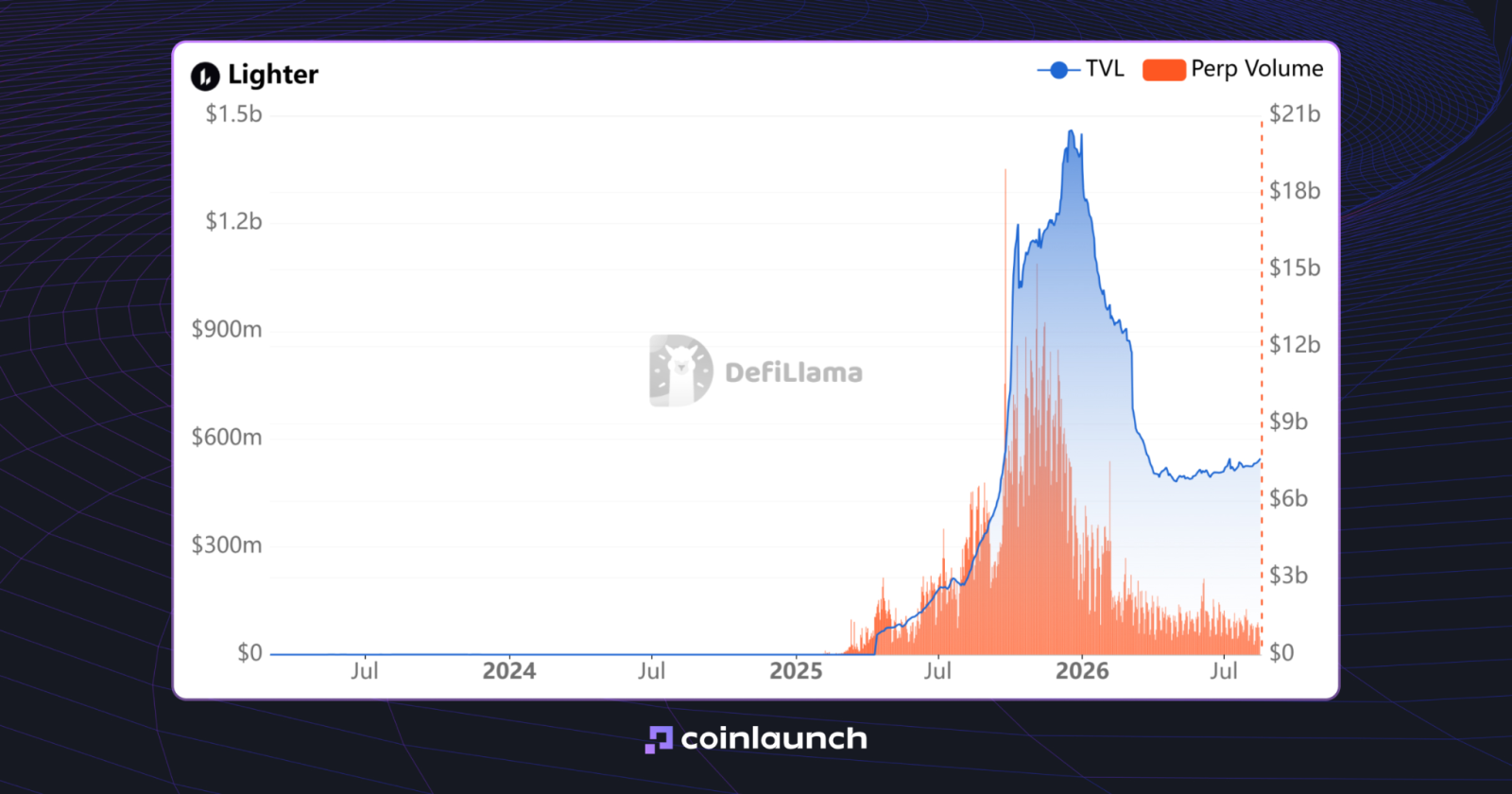
Lighter is a perp DEX built on its own ZK-rollup on top of Ethereum. The platform uses custom ZK infrastructure that allows verifying order execution and liquidations on-chain. The project was founded by Vladimir Novakovski, a Harvard graduate and former Citadel employee. In November 2025, Lighter raised$68 million from Founders Fund, Ribbit Capital, Haun Ventures, and Robinhood at a valuation of around $1.5 billion.
Currently, Lighter.xyz TVL is around$549 million. Over the past 30 days, Lighter perps volume reached $31.8 billion, with cumulative volume standing at $1.75 trillion.
Lighter () DEX volume and TVL chart. Source: defillama.com
One of the features of Lighter DEX fees is free trading for Standard Accounts: Lighter perp DEX fees are 0% for maker and taker. Premium Accounts pay fees in exchange for lower execution latency and can reduce the rate through LIT staking. Leverage of up to 50x is available on perpetual markets.
Despite zero fees for standard accounts, Lighter exchange generates income from Premium traders and other fees. Over the past 30 days, Lighter Perps collected $2.16 million in fees and generated $1.72 million in protocol revenue. For comparison, Hyperliquid's figures for the same period were $43.21 million and $30.04 million, respectively. Cumulative Lighter perp DEX fees revenue reached $54.2 million, with part of the revenue used to buy back LIT.
In January 2026, a mobile client for Lighter crypto exchange was released for iOS and Android, supporting perps, spot, RWA, and pre-market assets. However, available order types include SL and TP, but not trailing stop.
The Verdict: Best Perp DEX 2026 for Trading
The choice of the best perp DEX in 2026 depends on the trader’s priorities. Hyperliquid leads in volume and TVL, Aster offers leverage of up to 1001x and one of the widest selections of native order types, while Lighter and Variational provide zero-fee trading for certain users.
For active trading, the most versatile option on our list is goodcryptoX. The terminal currently supports Hyperliquid, while integrations with Aster, Lighter, and other perp DEXs are coming soon. This will allow users to access perpetual markets across multiple platforms through a single interface.
goodcryptoX also addresses common limitations of native perp DEXs, particularly the lack of no-code bots and advanced order types. It offers trailing orders, multiple Take Profits, Grid, DCA, and Infinity Trailing bots, TradingView webhooks, and price and listing alerts. The Hyperliquid integration also provides access to HIP-3 markets covering stocks, ETFs, indices, and commodities.