Coinlaunch was created by a team of crypto experts to help current and future crypto investors find the latest cryptocurrency ICOs and presales. All content follows a strict editorial policy that ensures factual accuracy, neutrality, and usefulness. We strive to provide insightful content that helps our audience make informed decisions, while emphasizing the importance of prioritizing safety and risk management. All information in our content is based on thorough research conducted by our team of copywriters and editors. We use proven sources to find relevant projects and ensure that all content is updated regularly. The information provided by Coinlaunch should be used for informational purposes only and should not be taken as investment advice.
Table of Contents
What Is Stablecoin Lending?
USDC Lending Benefits: Is It Better to Borrow USDC or Lend USDC?
Best Stablecoin Lending Platforms: Comparative Table
Sats Terminal
Coinbase
Aave
Compound
Nexo
Ledn
Final Thoughts: What Is the Best Way to Lend USDC?
Share this blog post
By 2026, leaving assets idle in a wallet is no longer the norm. Staking, restaking, yield farming, and other strategies allow users to put capital to work instead of letting it sit unused. Stablecoin lending is one of those options. It allows users to borrow USDC or USDT against crypto collateral or earn yield by lending stablecoins to borrowers. Both activities depend on dedicated stablecoin lending platforms.
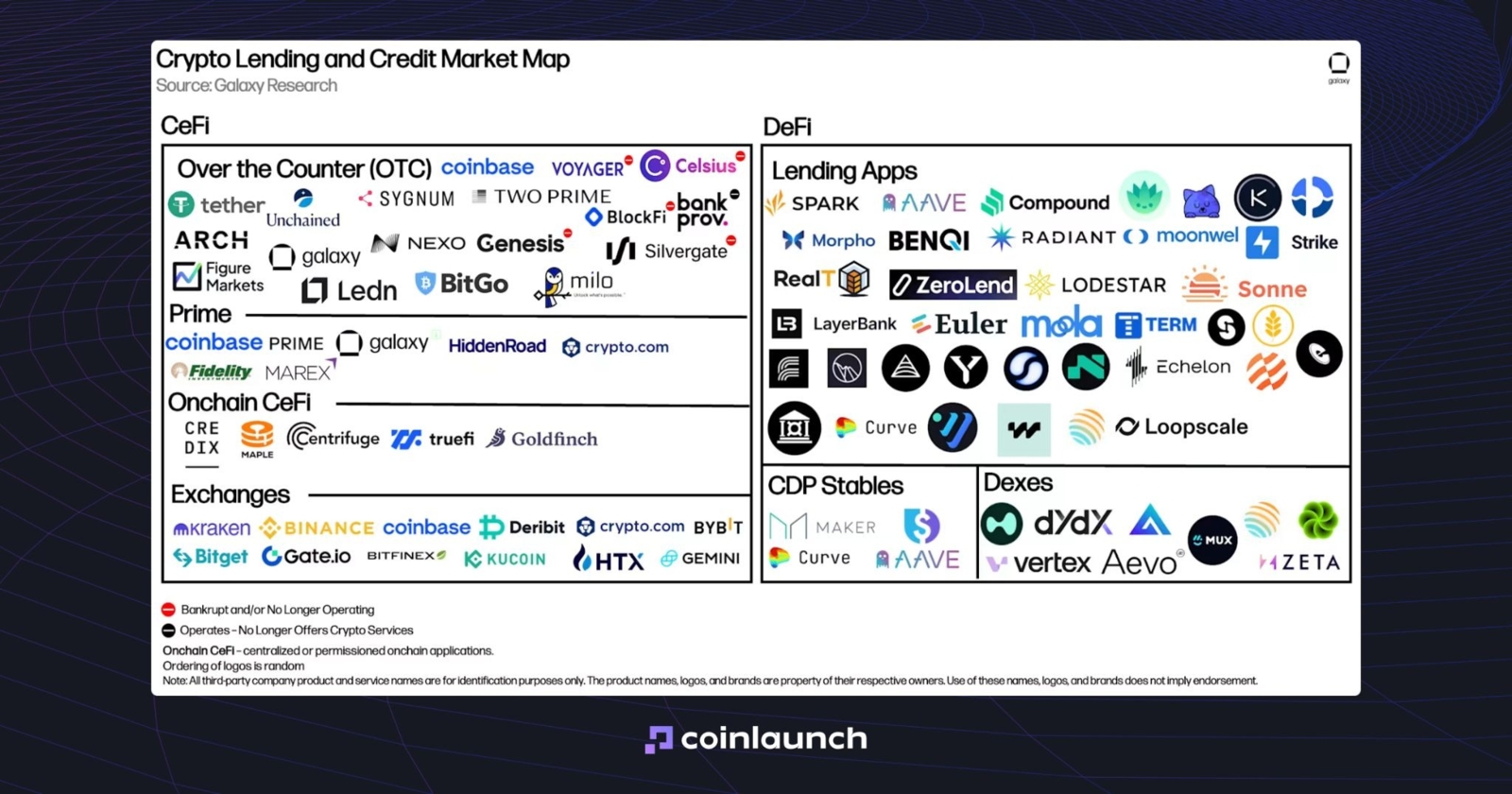
In Q1 2026, Galaxy Research valued the crypto-collateralized lending market at $67.42 billion and identified at least 87 active platforms. With dozens of protocols, CeFi providers, exchanges, and aggregators competing for liquidity, finding the right platform can quickly turn into a research project of its own.
Crypto Lending Platforms Covered in the Galaxy Research Report. Source: galaxy.com
To make that process easier, we narrowed the list to six platforms: two DeFi protocols, two CeFi providers, one crypto exchange, and one aggregator. For a clearer comparison, we assessed them across 10 parameters listed in the table below.
What Is Stablecoin Lending?
Stablecoin lending is a segment of crypto lending that uses stablecoins such as USDC, USDT, DAI, and other fiat-pegged assets for borrowing and lending. You can borrow USDC or USDT against crypto collateral, lend USDC through an Earn product, or, in some cases, use a stablecoin as collateral.
Stablecoin lending is not one specific product. It is an umbrella term for lending activity where a stablecoin can serve as the borrowed asset, a yield-generating asset, or collateral.
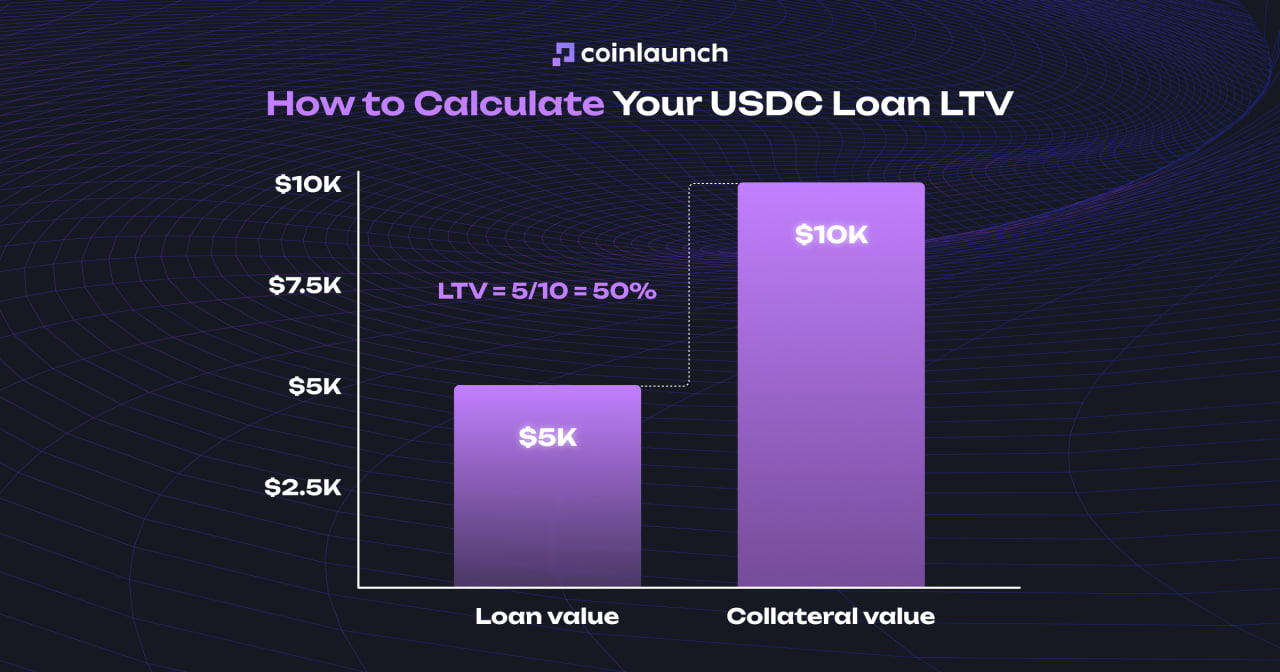
The most common use case is borrowing in stablecoins. You deposit BTC, ETH, SOL, or other supported collateral, and the platform determines how much USDC or USDT you can borrow. The calculation is based on LTV, the ratio of the loan amount to the collateral value. With $10,000 in collateral and a 50% LTV, you can borrow up to $5,000 in USDC or USDT.
The second most common use case is lending stablecoins. Instead of taking out a loan, you supply stablecoins to a lending pool. Borrowers pay interest to access that liquidity, and part of those payments becomes yield for lenders.
USDC and USDT yields are not fixed like bank deposit rates. The USDC interest rate depends on loan demand, available liquidity, custody model, and collateral quality. APY alone does not tell the full story. The source of that yield matters just as much.
USDC Lending Benefits: Is It Better to Borrow USDC or Lend USDC?
To borrow USDC, you typically deposit BTC, ETH, SOL, or other crypto collateral. You keep exposure to the underlying asset and receive liquidity in stablecoins without selling your position. This works for traders, DeFi users, or anyone who needs USDC loans for spending, hedging, or portfolio management.
Using USDC itself as stablecoin collateral makes less sense. USDC already functions as the dollar layer of crypto, so locking it up to borrow dollars only adds USDC loan rates and fees to a simple transaction.
Most users are better off using USDC as a lending asset. If you already hold USDC, it usually makes more sense to lend USDC and earn a yield. With the right lending platform, this can be more profitable than many staking, restaking, or yield farming strategies.
Borrow USDC when you need liquidity against crypto collateral. Lend USDC when you already hold stablecoins and want yield. Using USDC as collateral for another dollar-denominated asset is often pointless.
Best Stablecoin Lending Platforms: Comparative Table
Platform
Supported Lending Stablecoins
Best Stablecoin Lend APY
Supported Collateral
Rate Type
Minimum Deposit
TVL
Custody Model
Requires KYC
Supported Networks
Audited by
Best For
Sats Terminal
USDC
up to 9.64%
BTC
By position
No minimum
$4.41M
DeFi aggregator
No
Ethereum, Base, BSC
CertiK and Code4rena
Native BTC to USDC loans + Earn strategies without manual BTC bridging
Deep DeFi liquidity for USDC/USDT lending without KYC
Compound
USDC, USDT
up to 3.33%
ETH, WBTC, COMP, UNI, LINK
Variable
No minimum
$1.3B
DeFi
No
Ethereum, Base, Arbitrum, Polygon, Optimism
OpenZeppelin, ChainSecurity
USDC/USDT DeFi markets with no KYC
Nexo
USDC, USDT
up to 11.5%
BTC, ETH, 100+ assets
Variable
$500 + $5,000 portfolio
$7B AUM
CeFi custodial
Yes
Bitcoin, Ethereum, Base, Solana, Ripple and 18 more
A-LIGN
CeFi stablecoin yield and crypto credit line in one app
Ledn
USDC, USDT
up to 8.5%
BTC
variable
No minimum
Over $10B
CeFi custodial
Yes
Bitcoin
Open Book Report
BTC-backed USDC loans
Sats Terminal
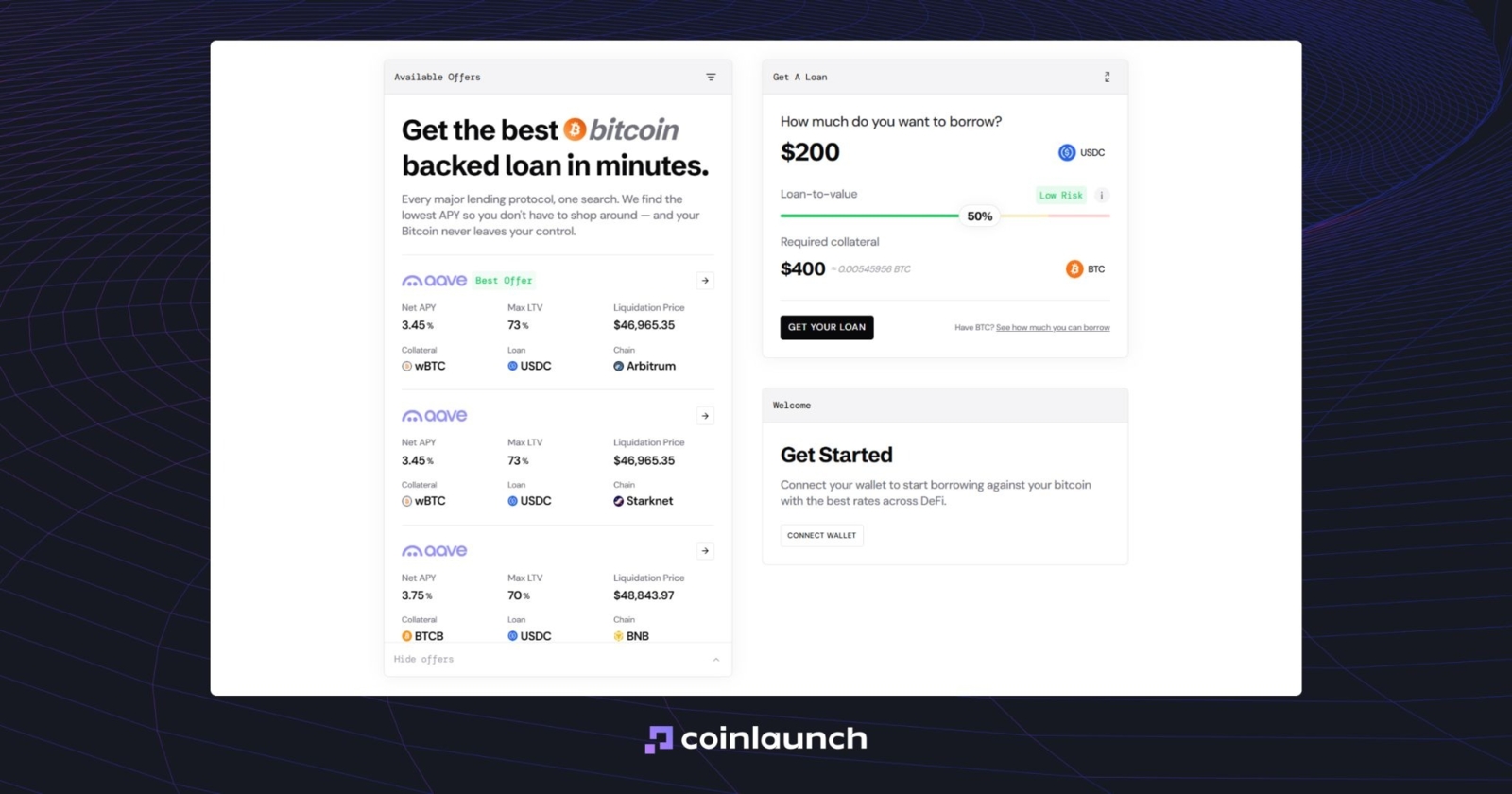
Sats Terminal is an aggregator for Bitcoin and stablecoin lending. In a single interface, users can compare offers from Aave, Morpho, Kamino, Ledn, and Arch, choose BTC loan terms, or deposit stablecoins into an Earn strategy.
Sats Terminal’s main advantage is native BTC support. Users send Bitcoin through the native network, and the platform automatically wraps it into the standard required by the selected protocol, such as wBTC on Ethereum, cbBTC on Base, or BTCB on BSC. That BTC then becomes collateral for the loan, and users receive USDC.
In Borrow, Sats Terminal does not offer a standard rate or fixed LTV. Rates and terms depend on the selected market. At the time of writing, the best Net APY for borrowing USDC against BTC is 3.62%, while the average Net APY across available options is 3.70%. The average Max LTV is 71%.
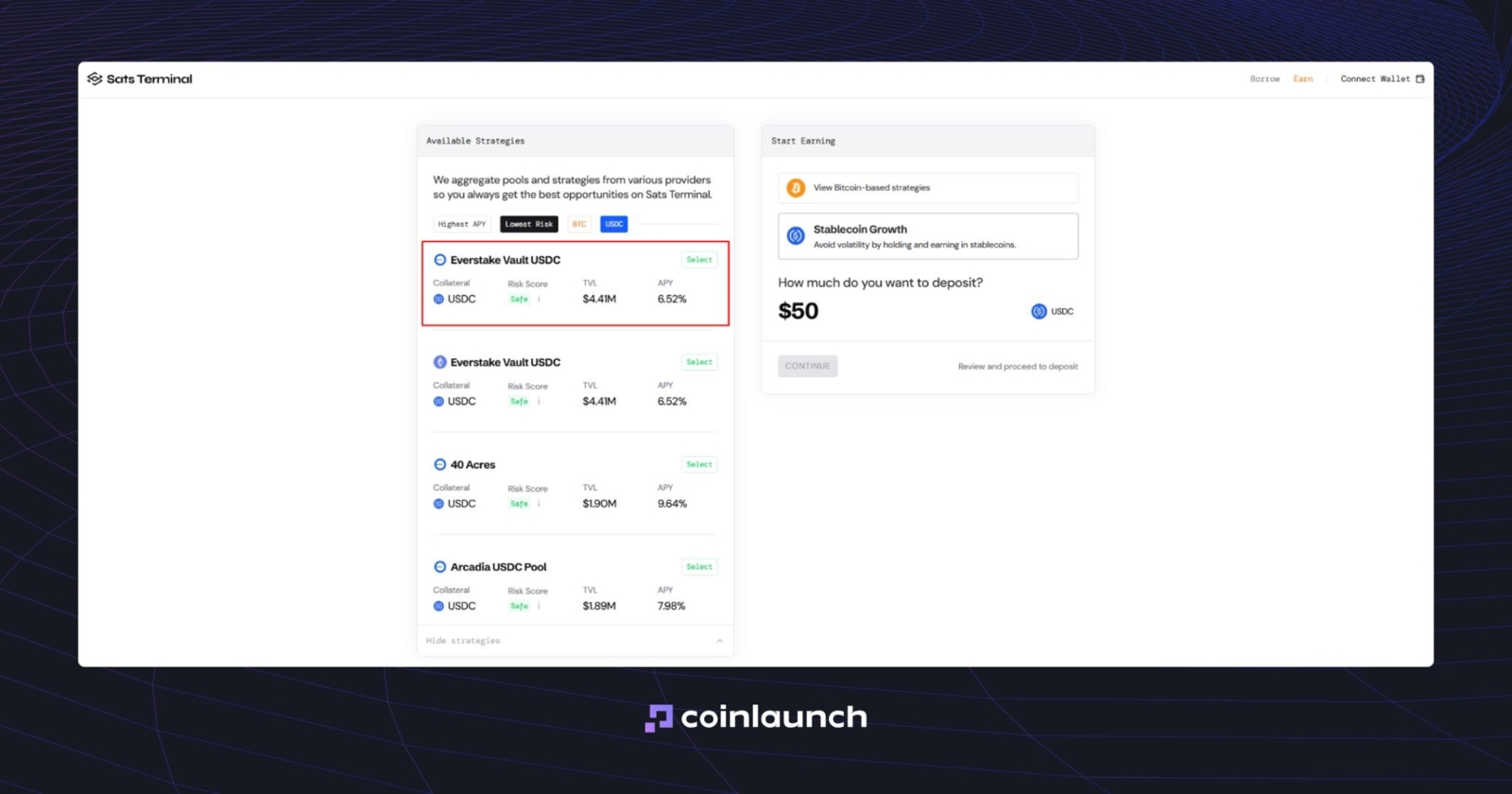
Through Earn, users can lend USDC at up to 9.64% APY. Looking at the highest-TVL USDC strategies, Everstake Vault USDC stands out with $4.41M in TVL, a Safe risk score, and 6.52% APY.
The Sats Terminal Earn strategy with the highest TVL. Source: satsterminal.com
Rate type depends on the selected position. In Borrow, terms are set by the chosen lending market. In Earn, they depend on the selected strategy. Supported networks vary by position: BTC-backed loans use Ethereum, Base, and BSC, while Earn uses the network associated with the chosen strategy.
Sats Terminal is a KYC-free DeFi aggregator. Getting started only requires an email address, after which the platform creates a self-custodial Privy wallet. It is not a traditional lender and does not hold BTC. Instead, it aggregates offers from multiple markets and helps users open positions across them.
Coinbase
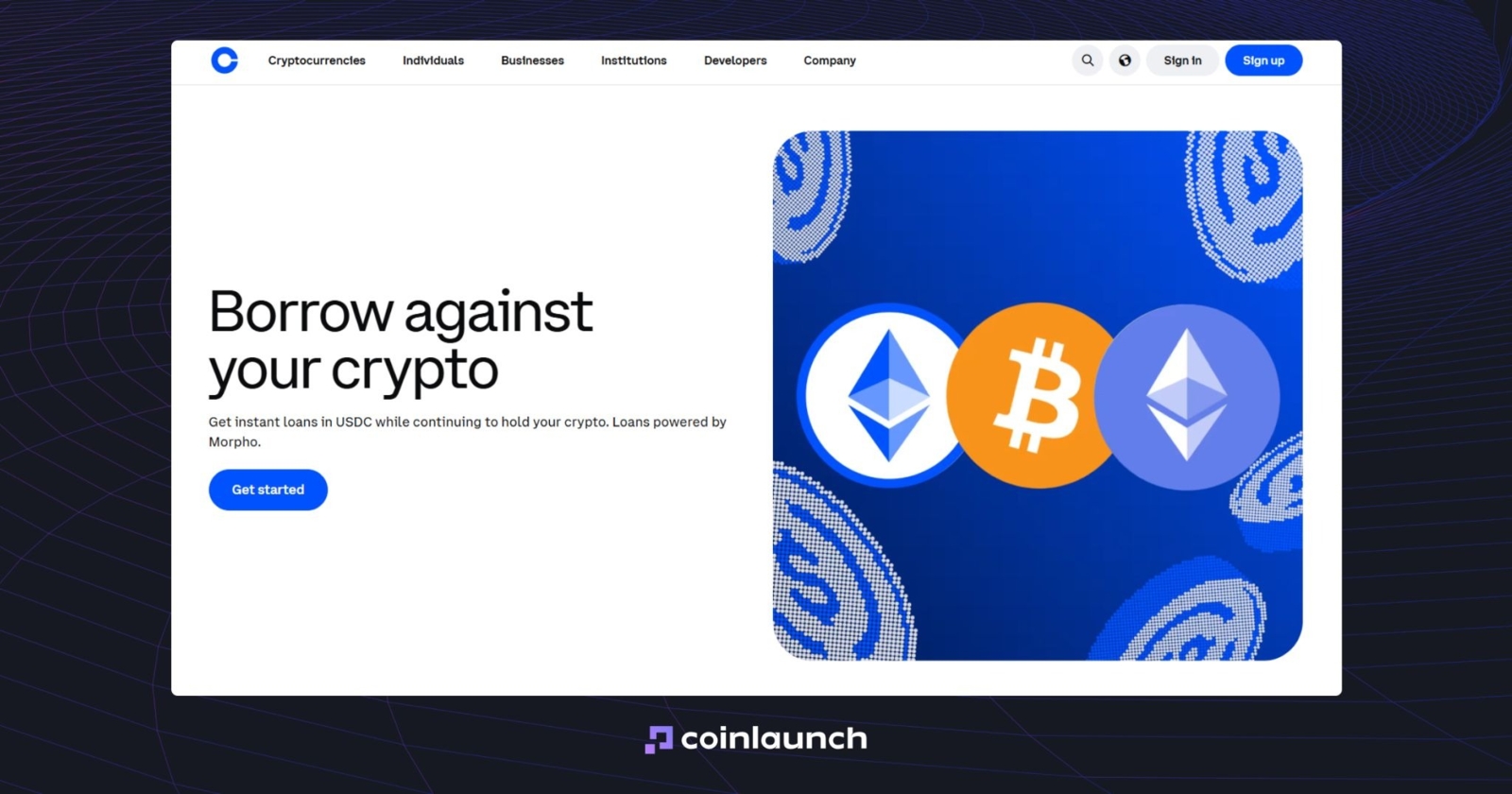
Coinbase lets you lend USDC through Morpho or borrow USDC against crypto collateral. This product focuses on USDC, and USDT lending is not available.
In the Lending section, you can deposit USDC into a Morpho-connected vault. Coinbase quotes up to 10.3% APY for USDC lending, although rates vary with supply and demand across Morpho markets.
Coinbase Borrow Homepage. Source: coinbase.com
You can also borrow USDC against BTC, ETH, cbETH, XRP, DOGE, ADA, LTC, and SOL.
Coinbase currently quotes a borrowing rate of 4.1%, although actual borrowing costs may be higher. Reddit users have reported rates around 7.52% APR. The maximum loan amount is $5 million.
If you borrow USDC against Bitcoin, Coinbase automatically converts the collateral into cbBTC and locks it in Morpho. Once the loan is repaid, the collateral is released. Liquidation begins at 86% LTV, and a 4.38% liquidation penalty applies.
KYC is required. The product is available only to verified Coinbase customers in supported regions.
Lending runs through Morpho, which has been audited by OpenZeppelin, Spearbit, Certora, ChainSecurity, Cantina, and Zellic. Base is the supported network.
Aave
Aave is the largest DeFi lending protocol for stablecoins. You can lend USDC, USDT, DAI, and other assets or borrow USDC and USDT against crypto collateral. When you supply liquidity to a pool, you receive an aToken such as aUSDC and earn yield from interest paid by borrowers.
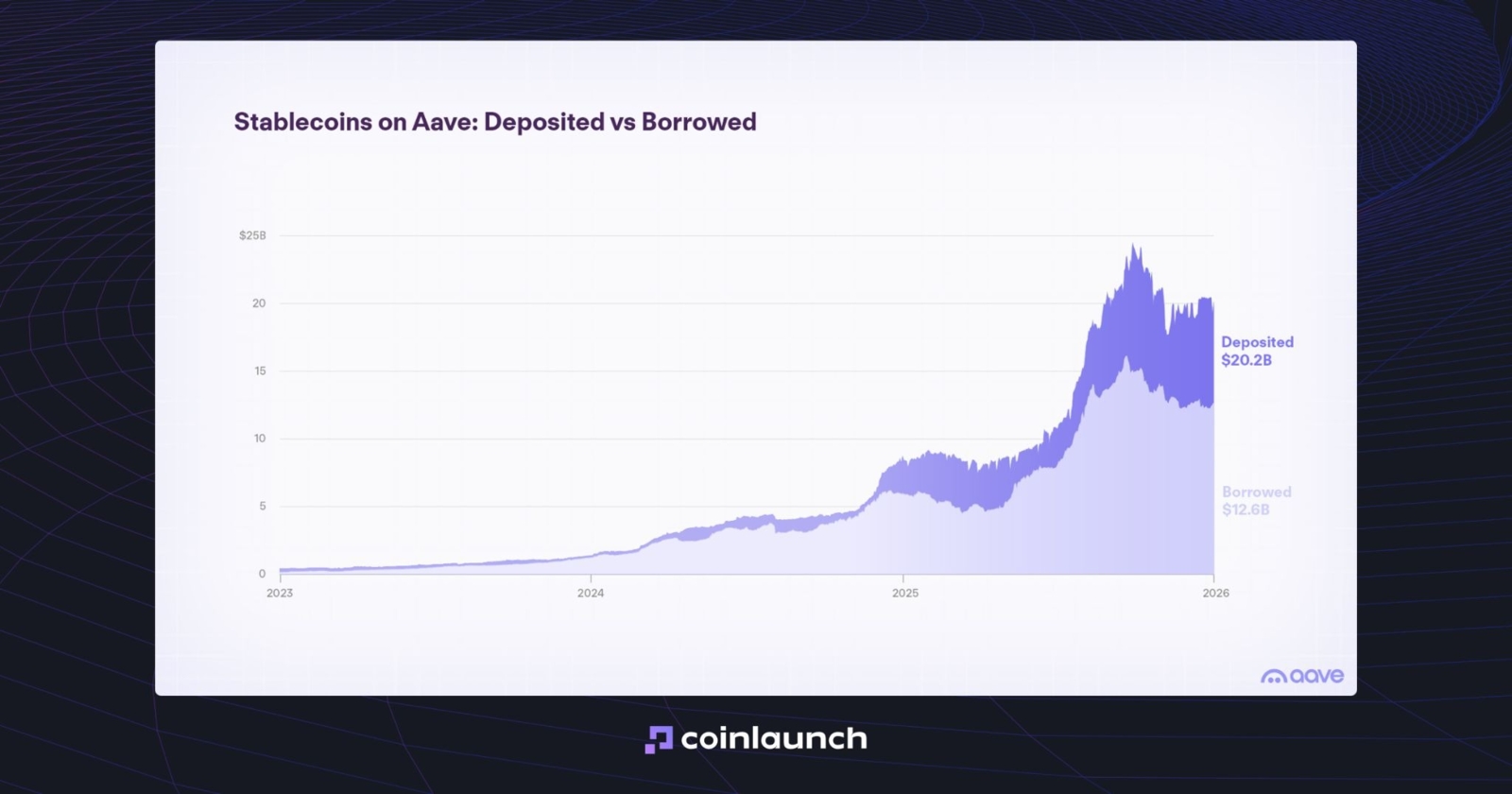
The protocol currently holds around $20 billion in stablecoin deposits, including nearly $6 billion in USDC.
Deposited and borrowed stablecoins on Aave chart. Source: aave.com
Rate type: variable. At the time of writing, USDC on Ethereum offers 3.68% APY with $2B total supplied. On Base, USDC offers 3.20% APY with $179M total supplied. On Arbitrum, it offers 3.10% APY with $167M total supplied. For USDT on Ethereum, the rate is 2.65% APY with $2.4B total supplied.
You can also borrow USDC or USDT by depositing ETH, WBTC, cbBTC, wstETH, or other supported collateral. Unlike CeFi platforms, Aave has no minimum deposit requirement. The only practical limits are network requirements and gas fees.
Aave does not require KYC. Supported networks include Ethereum, Base, Arbitrum, Optimism, Polygon, Avalanche, and other major chains. Audited by Certora, ChainSecurity, Spearbit, Sigma Prime, MixBytes, and OpenZeppelin.
Compound
Compound is a DeFi lending protocol where users can lend stablecoins and borrow against crypto collateral. You can lend USDC or USDT, while borrowers provide collateral and borrow the market’s base asset. In Compound III, each market is built around a single base asset, such as USDC or USDT.
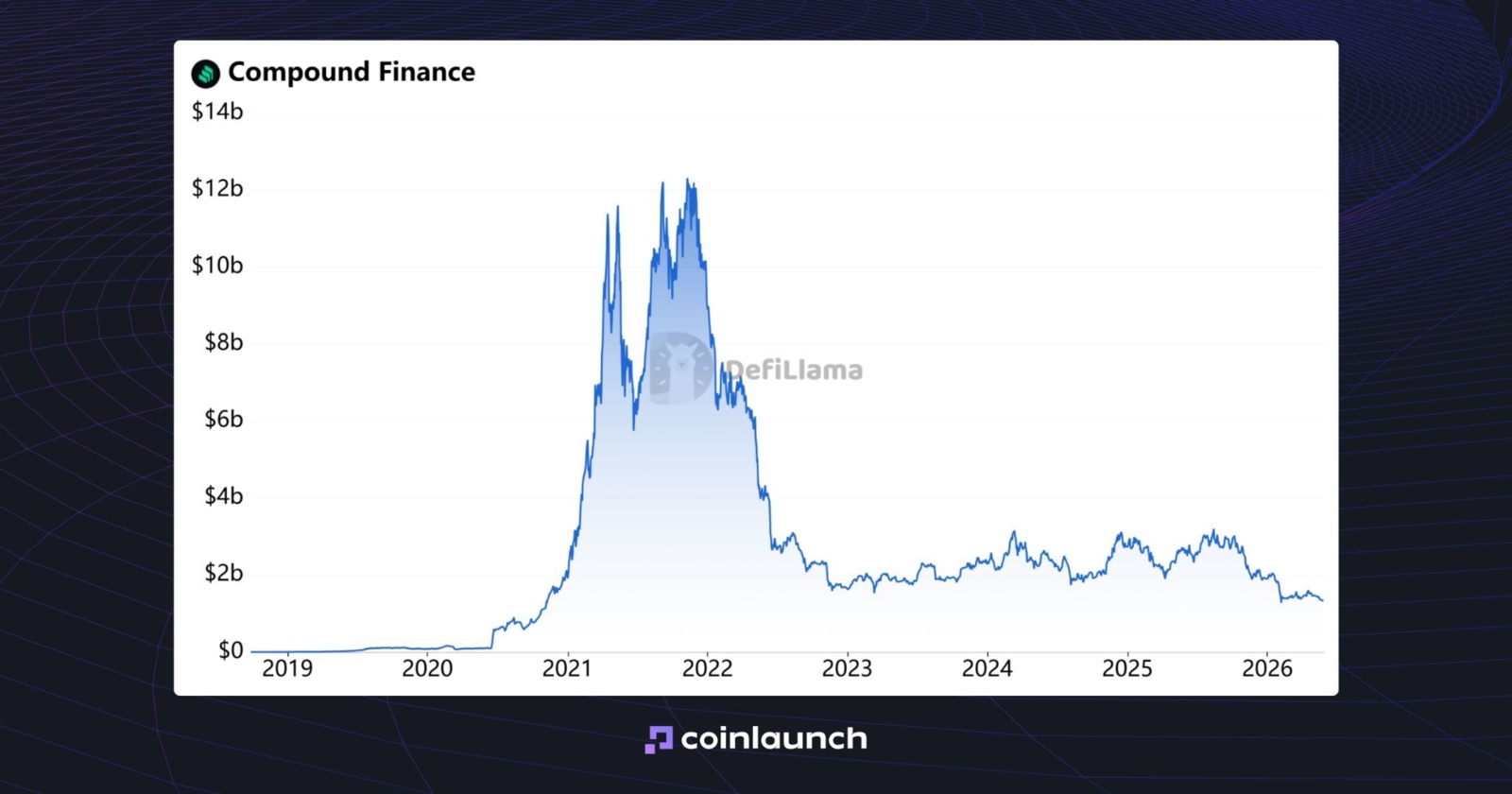
Compound currently holds $1.3B in deposits. Of that amount, $712.57M generates yield for liquidity providers, while $576.25M is tied to active loans.
Rate type: variable. Lender yields range from 0.05% to 3.33%, while borrowing rates range from 1.03% to 3.82%.
To borrow USDC or USDT, you can deposit ETH, WBTC, COMP, UNI, or LINK. Unlike earlier lending models, Compound III lets you borrow only the base asset of the selected market.
There is no minimum deposit. Compound does not require KYC. Supported networks include Ethereum, Base, Arbitrum, Polygon, and Optimism. Audited by OpenZeppelin and ChainSecurity.
Nexo
Nexo is a CeFi platform for stablecoin lending and crypto-backed loans. You can lend USDC or USDT through Savings products, or deposit crypto collateral and borrow in USDC, USDT, or fiat.
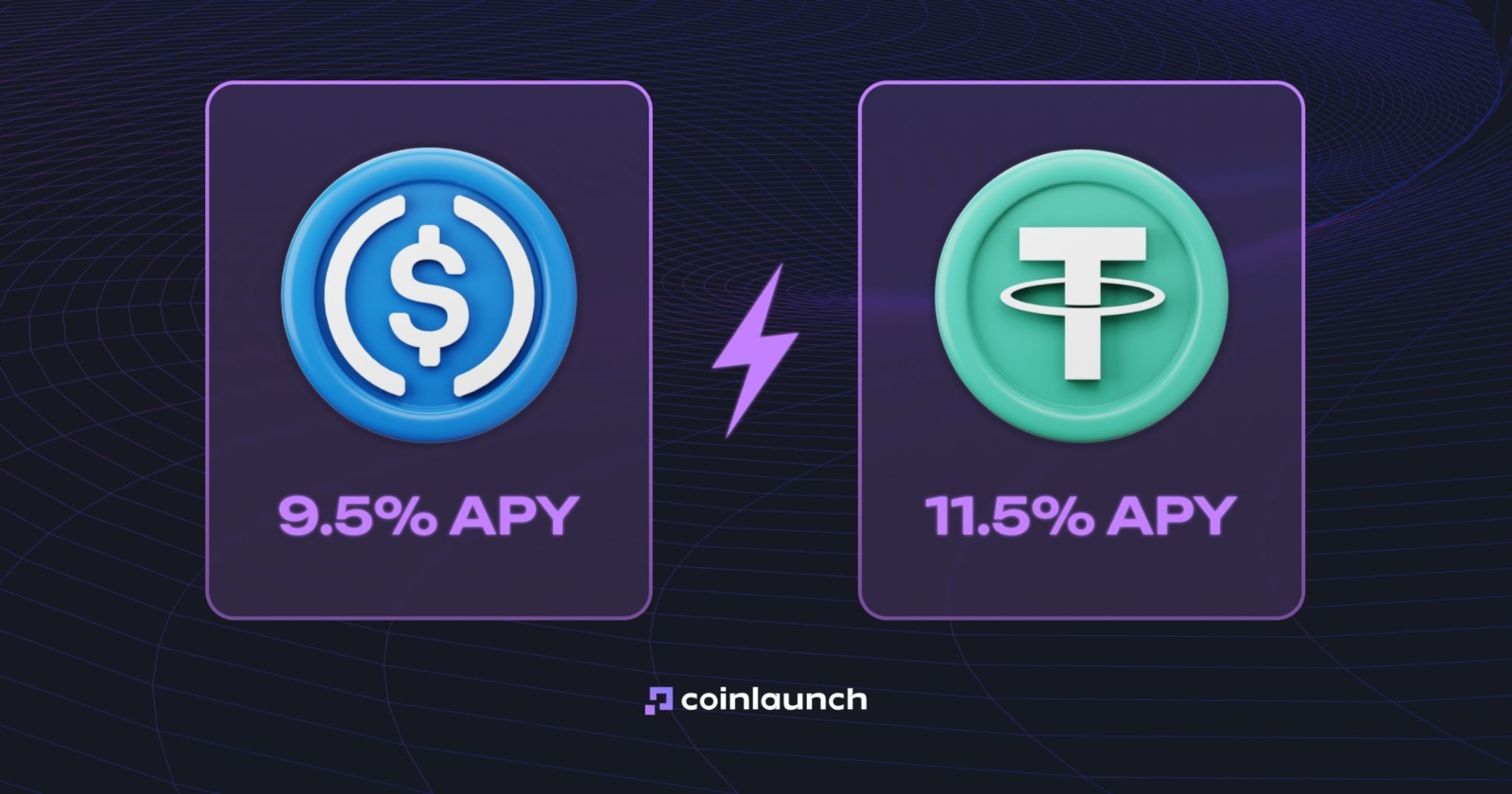
Two products are available: Flexible Savings and Fixed-term Savings. Flexible Savings allows withdrawals at any time and accrues interest daily. Fixed-term Savings offers higher rates in exchange for locking assets for a selected period. Nexo offers up to 9.5% APY on USDC and up to 11.5% APY on USDT. Rates depend on Loyalty Tier, product type, and interest payout method.
USDC vs. USDC APY. Source: coinlaunch.space
The minimum earning balance is around $500 per asset. To earn interest, you also need a portfolio balance of at least $5,000.
In Borrow, you can take out a loan against BTC, ETH, and more than 100 supported assets. Loans are available in USDC, USDT, or fiat, with rates starting at 1.9% APR. Loan amounts range from $50 to $2 million. Maximum LTV depends on the collateral: 50% for BTC and ETH, 15% for NEXO, and 90% for USDC.
Nexo is custodial, which means you transfer assets to the platform. KYC is required.
Audited under SOC 2 Type 2 and SOC 3 Type 2 standards by A-LIGN. Nexo reports more than $7B in assets under management and has operated since 2018.
Ledn
Ledn is a CeFi platform for stablecoin lending and Bitcoin-backed loans. You can lend USDC or USDT through Growth Accounts or borrow in USD, USDC, or local currency against BTC collateral.
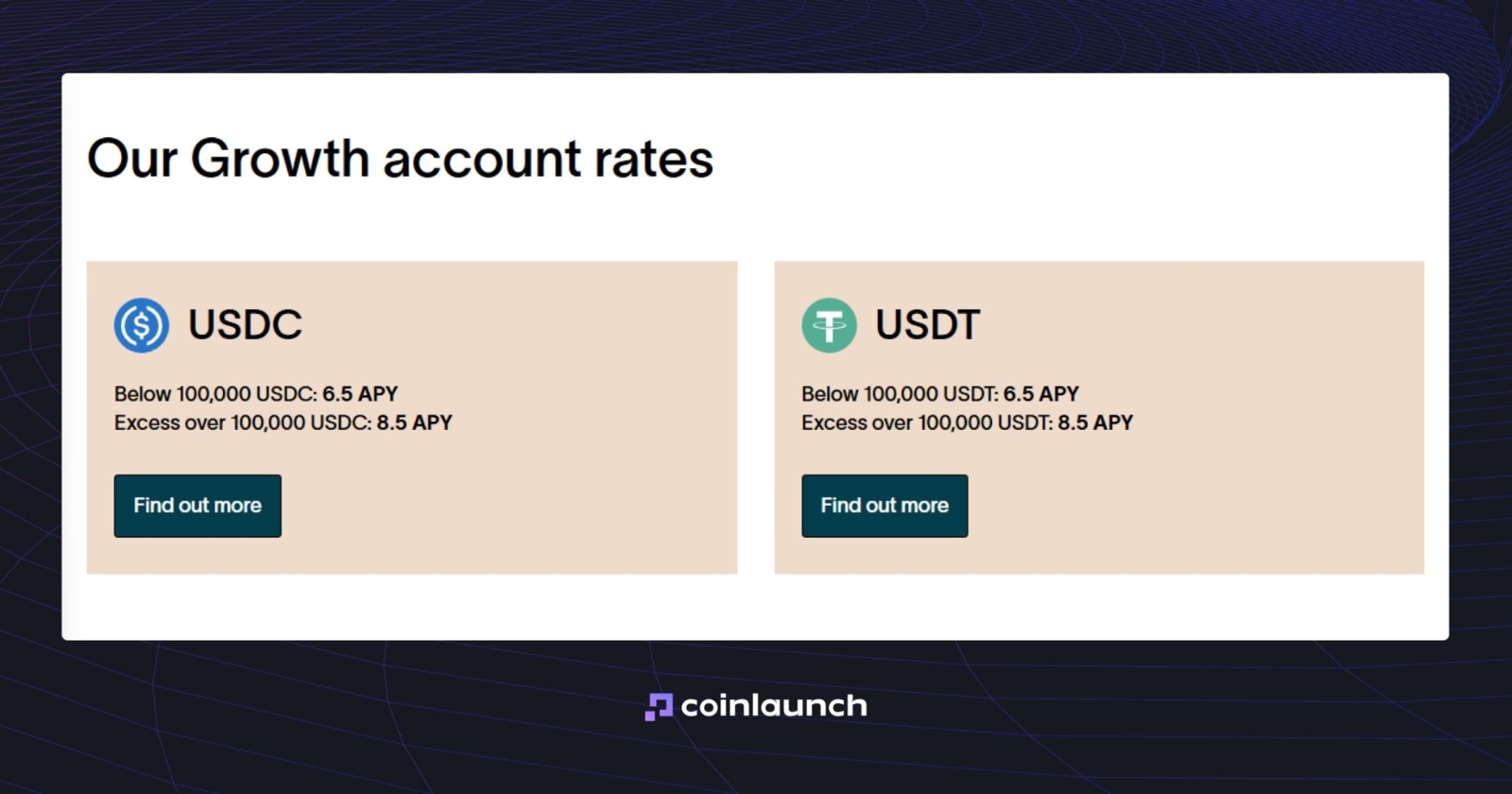
Growth Accounts support USDC and USDT. Rates are variable: 6.5% APY on balances up to $100,000 and 8.5% APY on balances above $100,000. There is no minimum balance to start using Growth Accounts. The minimum withdrawal is 10 USDC or 10 USDT.
In Borrow, you deposit BTC as collateral and receive a loan in USD, USDC, or local currency. The initial LTV is 50%. Bitcoin-backed loan rates currently start at 11.49% APR and fall to 9.99% APR for loans of $1 million or more. You need at least $1,000 in BTC collateral to open a loan.
Ledn is custodial, which means you transfer assets to the platform. KYC is required. According to the latest Open Book Report, BTC collateral is backed 1:1 in custody.
Final Thoughts: What Is the Best Way to Lend USDC?
Aave and Compound are best if you want direct DeFi access without KYC. Coinbase simplifies USDC lending through Morpho, but requires KYC and keeps users inside the Coinbase ecosystem. Nexo and Ledn appeal to users who prioritize a simple interface, fixed product terms, and customer support over full control of their assets.
Sats Terminal brings Earn strategies and BTC-backed borrowing into a single interface. It makes sense if you want to compare yield opportunities and borrow USDC against BTC without manually managing networks and protocols.
Choosing a stablecoin lending platform requires a broader comparison than APY alone. Look at APY, supported stablecoins, TVL, collateral, KYC requirements, supported networks, and audits. Then decide what matters most: higher USDC interest rates, access to borrowing USDC against collateral, or ease of use.